
 Abduljelil Issa
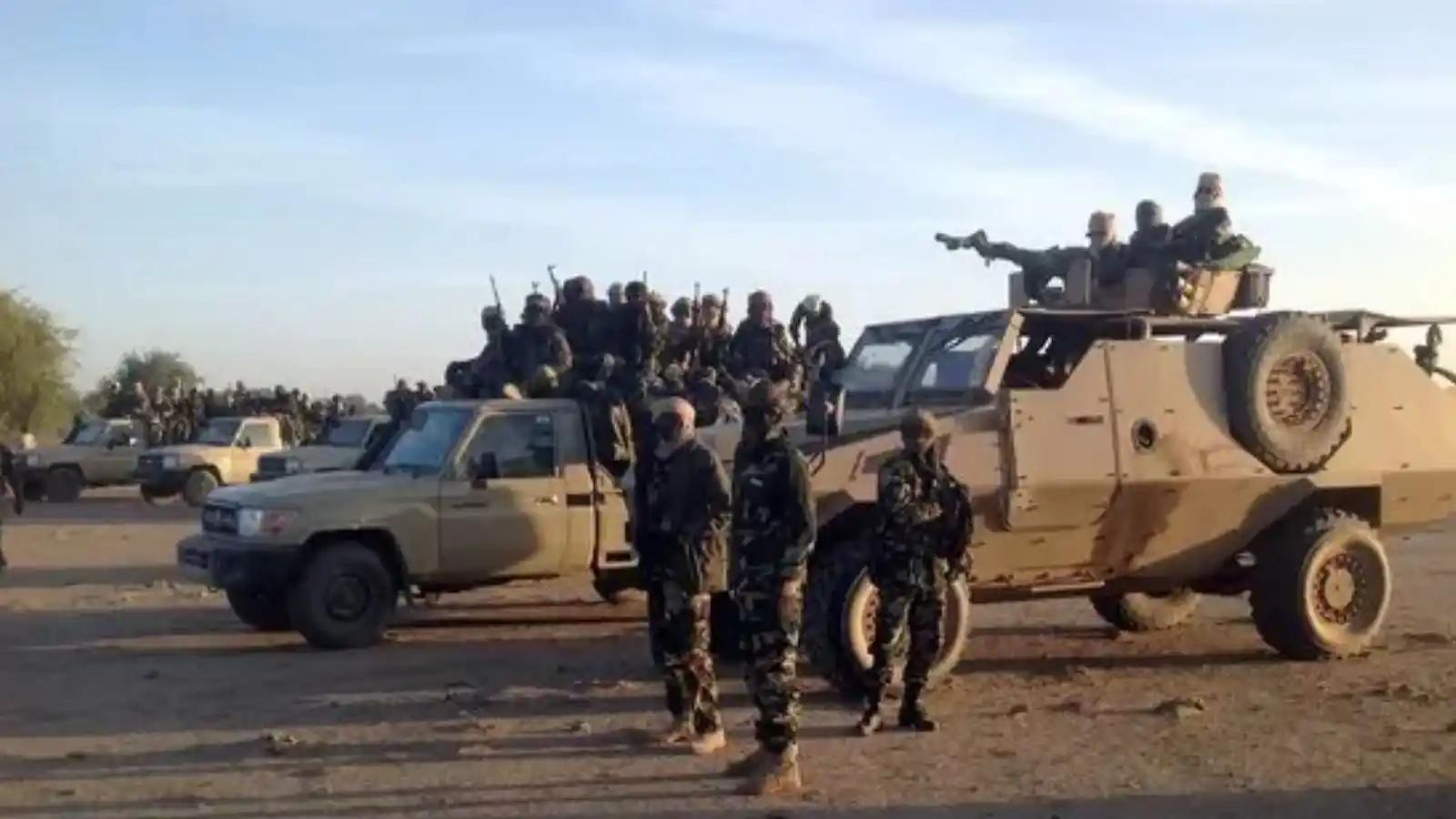
The United States has frozen the assets and properties of eight Nigerians accused of links to Boko Haram and the Islamic State of Iraq and the Levant, ISIL.
A document exceeding 3,000 pages released over the weekend by the Office of Foreign Assets Control (OFAC) also named individuals sanctioned for cybercrime-related offences and other security threats.
The publication, which listed individuals of various nationalities and entities whose assets were blocked, serves as a reference tool notifying actions taken against Specially Designated Nationals (SDNs) as part of counter-terrorism measures.
According to OFAC, the step forms part of broader efforts to block property and interests of Specially Designated Nationals, SDNs, and restrict financial dealings with them.
MOST READ ARTICLES
“This publication of Treasury’s Office of Foreign Assets Control, OFAC, is designed as a reference tool providing actual notice of actions by OFAC with respect to Specially Designated Nationals and other persons (which term includes both individuals and entities) whose property is blocked, to assist the public in complying with the various sanctions programmes administered by OFAC,” the agency said.
Among those named is Salih Yusuf Adamu, also known as Salihu Yusuf, born August 23, 1990, in Nigeria.
Yusuf was identified as having ties with Boko Haram and holding a Nigerian passport.
He was among six Nigerians convicted in 2022 for establishing a Boko Haram cell in the United Arab Emirates to raise funds for fighters in Nigeria.
The six were found guilty in the UAE of attempting to transfer $782,000 from Dubai to Nigeria.
Another individual listed, Babestan Oluwole Ademulero, born March 4, 1953, in Nigeria, was designated under [SDNTK].
He appeared under several aliases, including Wole A. Babestan and Olatunde Irewole Shofeso.
Also designated was Abu Abdullah ibn Umar Al-Barnawi, also known as Ba Idrisa, reported to have been born between 1989 and 1994 in Maiduguri, Borno State. He was flagged under terrorism-related sanctions.
Abu Musab Al-Barnawi, also referred to as Habib Yusuf, was listed with birth years ranging between 1990 and 1995. He was identified as a Boko Haram leader and sanctioned under terrorism provisions.
Khaled or Khalid Al-Barnawi, whose name appeared twice in the document, was born in 1976 in Maiduguri, Nigeria. He was linked to Boko Haram and used several aliases, including Abu Hafsat and Mohammed Usman.
Ibrahim Ali Alhassan, born January 31, 1981, in Nigeria, was listed with a Nigerian passport. He was reported to reside in Abu Dhabi, United Arab Emirates, and was linked to Boko Haram.
Abu Bakr ibn Muhammad ibn ‘Ali Al-Mainuki, also known as Abu-Bilal Al-Minuki, born in 1982 in Mainok, Borno State, was identified as having ties to the Islamic State of Iraq and the Levant (ISIL).
Nnamdi Orson Benson, born March 21, 1987, in Nigeria, was listed under [CYBER2] sanctions and held a Nigerian passport.
The inclusion of these names on the OFAC list underscored Washington’s continued focus on countering terrorism financing and cyber threats.
The sanctions mean that all property and interests of the listed individuals within US jurisdiction are blocked, and US persons are generally prohibited from conducting transactions with them.
Nigerians placed on the US Treasury sanctions list face asset freezes under Executive Order 13224.
The US designated Boko Haram a “foreign terrorist group” in 2013.
According to the State Department, the group is “responsible for numerous attacks in the northern and northeastern regions of the country, as well as in the Lake Chad Basin in Cameroon, Chad and Niger that have killed thousands of people since 2009.”
The United States Secretary of State determines that certain countries have repeatedly provided support for acts of international terrorism.
These countries are designated under three laws: Section 1754(c) of the National Defense Authorization Act for Fiscal Year 2019, Section 40 of the Arms Export Control Act, and Section 620A of the Foreign Assistance Act of 1961.
The announcement follows recent US Congress recommendations of visa bans and asset freezes on former Kano State governor Rabiu Musa Kwankwaso and various Miyetti Allah groups over alleged Christian genocide in Nigeria.
The proposal, sponsored by U.S. Congressman Riley Moore and co-sponsored by Chris Smith, seeks targeted sanctions against certain Nigerians under the Nigeria Religious Freedom and Accountability Act of 2026.
Republicans said the former governor and named associations should be investigated for allegedly supporting Fulani-ethnic militias involved in violence and held accountable.
The bill states that Fulani militant groups, alongside other extremist organisations operating in Nigeria, have engaged in organised attacks on civilian communities, particularly in the Middle Belt region.
It said the repeated acts of violence “meet the statutory definition of terrorist activity under section 212(a)(3) of the Immigration and Nationality Act (8 U.S.C. 1182(a)(3)).”
Meanwhile, questions have emerged over the basis for Kwankwaso’s inclusion on the list and whether it resulted from misinformation or mistaken identity.
Some commentators say those responsible for, or linked to, killings, kidnappings and insecurity in Nigeria should be punished.
“The mention of his name is surprising, but they should investigate. We have lost too many Nigerians to the terror war and insurgency, and it is time those behind this crime are held to account,” Olisa Okeha, a public affairs commentator, said.
Others argued that the United States under the current administration of Donald Trump should provide evidence linking Kwankwaso to terrorism before conclusions are drawn.
“They said they are targeting him because he spoke out; if that is true, it is shameful to them. Many of us know that Sharia was not implemented in Kano alone. Bring evidence out,” a source who requested anonymity said.
What do you think the sanctions mean for the fight against terrorism in Nigeria? Share your views in the comments.