

 iDeemlawful
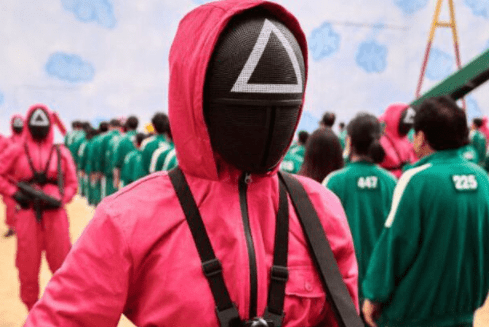
North Korea has been executing citizens, including schoolchildren, for watching South Korean television programmes such as Squid Game and listening to K-pop music, according to Amnesty International.
In a scathing report, the global rights group said accounts from defectors reveal an extreme system of repression where access to foreign media is treated as a capital crime, with punishment often influenced by wealth and political ties, NDTV reported.
Amnesty said individuals caught watching South Korean dramas or listening to K-pop face arbitrary penalties ranging from lengthy forced labour to public execution. In some instances, children were reportedly compelled to witness executions as a deterrent against consuming foreign content.
The report said poorer citizens are far more likely to be executed or handed long prison terms, while wealthier individuals often escape punishment by bribing security officials.
MOST READ ARTICLES
“These testimonies show how North Korea is enforcing dystopian laws that mean watching a South Korean TV show can cost you your life — unless you can afford to pay,” said Amnesty’s Deputy Regional Director, Sarah Brooks.
“The authorities criminalise access to information in violation of international law, then allow officials to profit off those fearing punishment. This is repression layered with corruption.”
Amnesty said it carried out 25 detailed interviews with escapees who fled the country between 2019 and 2020.
Several respondents said they had heard of high school students being executed in Yanggang Province for watching Squid Game, with similar incidents reported in North Hamgyong Province in 2021.
In one widely cited case, a student who smuggled copies of Squid Game into North Korea from China in 2021 was executed by firing squad, according to Radio Free Asia.
Others who only watched the series were reportedly sentenced to life imprisonment or many years of hard labour.
The clampdown is enforced under North Korea’s 2020 Anti-Reactionary Thought and Culture Act, which labels South Korean content as “rotten ideology that paralyses the people’s revolutionary sense.”
Under the law, watching or possessing South Korean films, dramas or music attracts five to 15 years of forced labour, while distributing “large amounts” of such material or organising group screenings can result in the death penalty.
Defectors also described the actions of a special police unit known as the “109 Group,” which carries out warrantless searches of homes, phones and personal belongings in a relentless hunt for foreign media.
One escapee quoted an officer as saying, “We don’t want to punish you harshly, but we need to bribe our bosses to save our own lives.”
Despite the dangers, South Korean dramas and K-pop continue to circulate inside the country, smuggled in on USB drives from China. Interviewees said foreign media consumption remains widespread, even among officials enforcing the bans.
“Workers watch it openly, party officials watch it proudly, security agents watch it secretly, and police watch it safely,” one defector said. “Everyone knows everyone watches.”
Amnesty said public executions are routinely used as tools of “ideological education,” with students and entire communities forced to attend.
“They execute people to brainwash and educate us,” a former resident said.
Brooks described North Korea as an “ideological cage,” where fear, violence and corruption are used to isolate the population from outside information.
“This completely arbitrary system violates fundamental principles of justice and internationally recognised human rights,” she said. “It must be dismantled.”