iDeemlawful
  • News
  • Commentaries
  • Education
  • CourtRoom
  • Tech
  • Career
  • Lifestyle
  • World
iDeemlawful
  • News
  • Commentaries
  • Education
  • CourtRoom
  • Tech
  • Career
  • Lifestyle
  • World
iDeemlawful
iDeemlawful
  • About
  • Advertise
  • Editorial
  • Support

Copyright 2021 - All Right Reserved. Designed and Developed by PenciDesign

Category:

World

A Nigerian Online News, Breaking News, Nigerian News, Legal Analysis, Law and Governance, Commentaries, Business and Politics.
m5mztnqjtbkpfnd6gelj3hplmq
FeaturedWorld

US Expands Travel Restrictions, Adds Nigeria to Affected List

ideemlawful profile1iDeemlawful December 16, 2025
ideemlawful profile1iDeemlawful

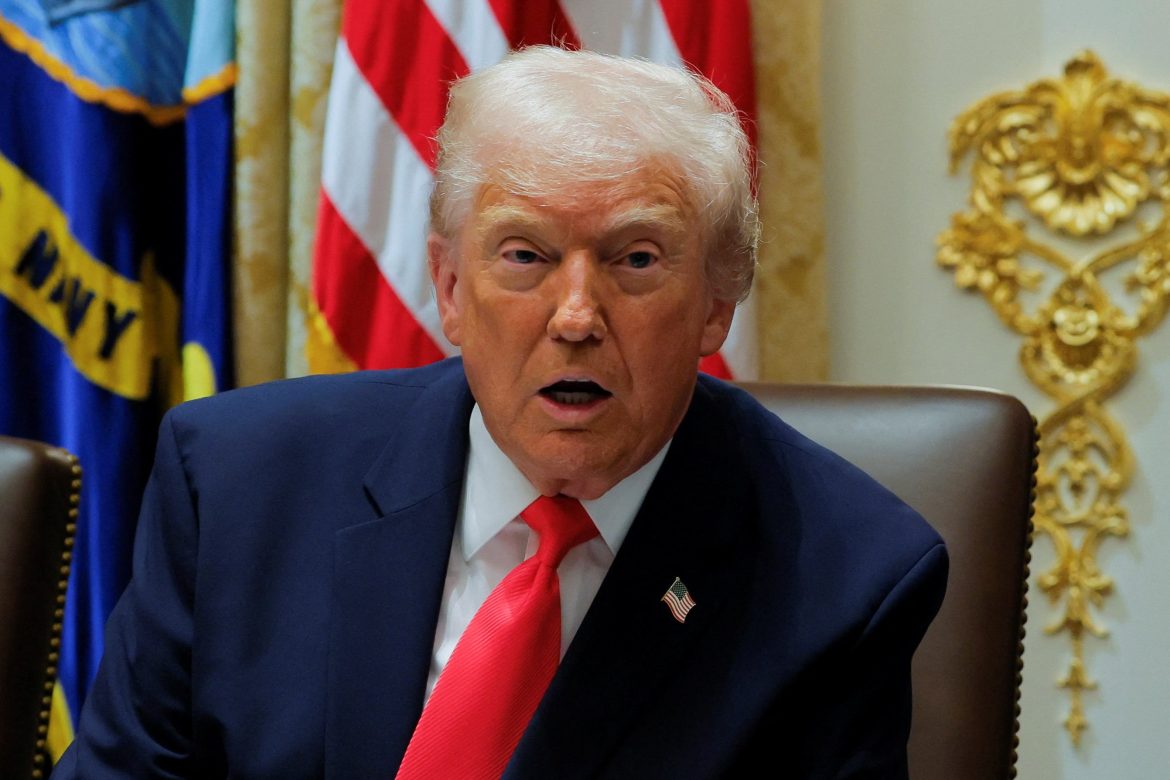
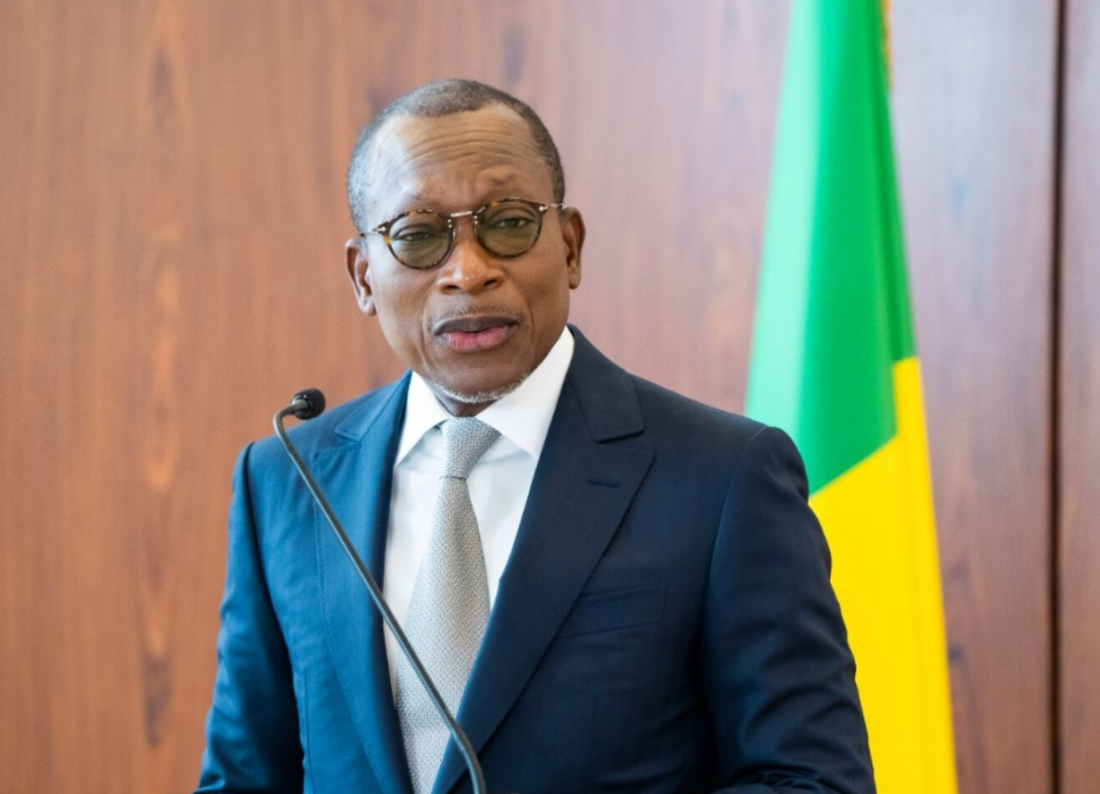
President Donald Trump on Tuesday signed a Proclamation further tightening entry into the United States for nationals of countries considered high-risk due to “demonstrated, persistent, and severe deficiencies in screening, vetting, and information-sharing” that pose threats to U.S. national security and public safety.

Nigeria is among the 15 additional countries newly placed under partial travel restrictions.

The announcement was published on the White House website in a fact sheet titled “President Donald J. Trump Further Restricts and Limits the Entry of Foreign Nationals to Protect the Security of the United States”, dated December 16, 2025.

Trump had earlier, on October 31, designated Nigeria a ‘country of particular concern’ following allegations of a Christian genocide in the country.

The White House described the move as “strengthening national security through common sense restrictions based on data.”

Under the Proclamation, full restrictions and entry limitations remain in force for nationals of the original 12 high-risk countries listed in Proclamation 10949: Afghanistan, Burma, Chad, Republic of the Congo, Equatorial Guinea, Eritrea, Haiti, Iran, Libya, Somalia, Sudan, and Yemen.

Full restrictions were also extended to five additional countries: Burkina Faso, Mali, Niger, South Sudan, and Syria, as well as individuals holding travel documents issued by the Palestinian Authority. Laos and Sierra Leone, previously under partial restrictions, were elevated to full restrictions.

Nationals of Burundi, Cuba, Togo, and Venezuela remain subject to partial entry limitations.

The Proclamation introduces partial restrictions on 15 more countries, including Angola, Antigua and Barbuda, Benin, Cote d’Ivoire, Dominica, Gabon, The Gambia, Malawi, Mauritania, Nigeria, Senegal, Tanzania, Tonga, Zambia, and Zimbabwe.

According to the fact sheet, “exceptions for lawful permanent residents, existing visa holders, certain visa categories like athletes and diplomats, and individuals whose entry serves U.S. national interests” will apply.

It also notes that family-based immigrant visa exemptions with “demonstrated fraud risks” have been narrowed, while waivers may still be granted on a case-by-case basis.

Explaining the decision, the White House stated that the Proclamation is intended “to prevent the entry of foreign nationals about whom the United States lacks sufficient information to assess the risks they pose, garner cooperation from foreign governments, enforce our immigration laws, and advance other important foreign policy, national security, and counterterrorism objectives.”

The fact sheet quoted Trump directly: “It is the President’s duty to take action to ensure that those seeking to enter our country will not harm the American people.”

It further explained that, following consultations with cabinet officials and reviews based on Executive Order 14161, Proclamation 10949, and country-specific assessments, “President Trump has determined that the entry of nationals from additional countries must be restricted or limited to protect U.S. national security and public safety interests.”

The restrictions are described as country-specific “in order to encourage cooperation with the subject countries in recognition of each country’s unique circumstances,” citing challenges such as “widespread corruption, fraudulent or unreliable civil documents and criminal records, and nonexistent birth-registration systems—systemically preventing accurate vetting.”

The document also points to countries that “refuse to share passport exemplars or law-enforcement data,” operate Citizenship-by-Investment programmes that obscure identity, or record “high visa-overstay rates and refusal to repatriate removable nationals,” alongside concerns about “terrorist, criminal, and extremist activity.”

The White House framed the move as part of Trump’s broader national security agenda, stating that “President Trump is keeping his promise to restore travel restrictions on dangerous countries and to secure our borders.”

It referenced a previous Supreme Court ruling on similar policies, noting that the Court found such measures “squarely within the scope of Presidential authority” and “expressly premised on legitimate purposes,” including preventing the entry of inadequately vetted nationals and encouraging improved cooperation by foreign governments.

The fact sheet concluded by noting that Turkmenistan, which had previously been subject to restrictions, made progress in cooperation with the United States, leading to the lifting of its nonimmigrant visa ban while the suspension of immigrant entry for Turkmen nationals remains in place.
December 16, 2025 0 comments
0 FacebookTwitterPinterestEmail
9f2b3ad3 a62d 4387 9fdb 57440ea53249
World

Benin Arrests Soldiers After Foiled Attempt to oust Talon

ideemlawful profile1iDeemlawful December 7, 2025
ideemlawful profile1iDeemlawful

Around a dozen soldiers have been arrested in Benin following an attempted coup, including the alleged masterminds of the failed plot, military and security sources told AFP on Sunday.

One source stated that 13 individuals had been detained, while another noted that all those arrested are active-duty soldiers except one, who previously served in the armed forces.

The arrests came after a broadcast on Benin’s national television on Sunday morning, where a group of military officers declared President Patrice Talon removed from office and announced the dissolution of all state institutions.

The officers, who referred to themselves as the Military Committee for Refoundation, asserted that they had taken control of the government.

However, the presidency told AFP that President Talon remains safe and that loyal forces are restoring stability.

The government dismissed the development as the actions of “a small group” with limited capacity.

“This is a small group of people who only control the television. The regular army is regaining control. The city and the country are completely secure,” the presidency said.

Details later….

AFP

December 7, 2025 0 comments
0 FacebookTwitterPinterestEmail
12763
FeaturedWorld

Benin President Talon Insists in Control as Soldiers Claim Ouster

ideemlawful profile1iDeemlawful December 7, 2025
ideemlawful profile1iDeemlawful

Military personnel in Benin on Sunday declared that they had removed President Patrice Talon from power, even as his entourage insisted he was safe and that loyal forces were restoring order.

Soldiers identifying themselves as the “Military Committee for Refoundation” (CMR) announced on state television that they had convened and resolved that “Mr Patrice Talon is removed from office as president of the republic”.

The broadcast came on the heels of recent coups in Madagascar and Guinea-Bissau. Benin shares northern borders with Niger and Burkina Faso, both of which have also experienced military takeovers.

The French Embassy stated on X that “gunfire was reported at Camp Guezo” near the president’s official residence in the economic capital.

It advised French nationals to remain indoors for their safety.

However, Talon’s entourage said the president, who has led the West African nation for a decade and is expected to leave office in April, remained unharmed.

“This is a small group of people who only control the television. The regular army is regaining control. The city and the country are completely secure,” his office told AFP.

Benin’s political past includes multiple coups and attempted coups.

Talon, who assumed office in 2016, is approaching the conclusion of his second term in 2026, the constitutional limit.

The main opposition party has been barred from contesting the succession, leaving the ruling party to compete against a self-described “moderate” opposition.

Talon, a 67-year-old former businessman known as the “cotton king” of Cotonou, has been credited with driving economic growth but frequently faces accusations of authoritarian governance.

AFP

December 7, 2025 0 comments
0 FacebookTwitterPinterestEmail
img 5951
FeaturedWorld

Military Coup in Benin oust Talon

ideemlawful profile1iDeemlawful December 7, 2025
ideemlawful profile1iDeemlawful

The situation in the capital remains extremely volatile, with reports of troop movements at several strategic locations across Cotonou.

Reports from Beninese media indicate that a coup d’état has been unfolding in Cotonou since dawn on Sunday, December 7, 2025.

According to media outlet TchadOne, President Patrice Talon’s residence in the Le Guézo neighbourhood was attacked by a group of military personnel led by Lieutenant Colonel Pascal Tigri.

Later in the morning, Lieutenant Colonel Tigri appeared on national television, which is reported to be under military control, declaring himself “chairman of the military re-establishment committee.”

The situation in the capital remains extremely volatile, with reports of troop movements at several strategic locations across Cotonou.

TchadOne promised to provide minute-by-minute updates as events continue to unfold.

No official statement has yet been released by President Talon or his government regarding the attacks.

West Africa has been gripped by a troubling wave of coups in recent years, underscoring the fragility of democratic institutions across the region.

Guinea-Bissau became the latest flashpoint in November 2025, when army generals seized power on the eve of a presidential election. Heavy gunfire erupted near the presidential palace in Bissau, and President Umaro Sissoco Embaló was detained.

The military suspended the electoral process, citing threats to national stability, and installed General Horta Inta-A as head of a one-year transitional government.

WATCH: Coup Underway In Benin Republic As Military Attacks President Talon’s Residence, Seizes National TV | Sahara Reporters

READ FULL STORY: https://t.co/GPvuiD0LEh pic.twitter.com/1E37E4PBZe

— Sahara Reporters (@SaharaReporters) December 7, 2025

The move deepened Guinea-Bissau’s long history of political instability, drawing condemnation from ECOWAS and prompting Nigeria to grant asylum to opposition candidate Fernando Dias da Costa amid fears for his safety.

Mali’s political crisis has simmered since its 2020 and 2021 coups, which brought Colonel Assimi Goïta to power. In August 2025, the junta announced it had thwarted another coup attempt, arresting two generals and a French national accused of plotting to destabilize the transitional government.

The arrests came against a backdrop of growing frustration: political parties remain banned, elections have been indefinitely postponed, and the junta has tightened its grip on power.

Mali’s instability has been compounded by jihadist violence and strained relations with Western partners, fueling fears of further unrest.

Burkina Faso, under Captain Ibrahim Traoré since the 2022 coup, also faced a foiled coup attempt in April 2025.

Authorities disclosed that senior officers had conspired with terrorist groups to topple the junta, prompting lockdowns of military barracks and heightened security in Ouagadougou.

The government rallied public support against alleged Western interference, but internal divisions within the military and worsening jihadist attacks have kept the country on edge.

The junta has postponed elections and introduced sweeping reforms, including a controversial plan to restore the death penalty for treason and terrorism, signaling its determination to consolidate control.

Niger Republic’s coup in July 2023 marked another turning point.

President Mohamed Bazoum, elected in the country’s first peaceful democratic transfer of power, was detained by his own presidential guard. General Abdourahamane Tchiani, head of the guard, declared himself leader with backing from the armed forces.

The junta justified its takeover as necessary to address economic hardship and security threats, but two years on, Niger remains under military rule, with ECOWAS sanctions and strained ties with Western allies shaping its trajectory.

Popular demonstrations in Niamey have reflected both support for the junta and resentment toward foreign influence.

December 7, 2025 0 comments
0 FacebookTwitterPinterestEmail
m5mztnqjtbkpfnd6gelj3hplmq
FeaturedWorld

Trump Suspends Immigration Processing for 19 Countries

ideemlawful profile1iDeemlawful December 3, 2025
ideemlawful profile1iDeemlawful

American President, Donald Trump administration, on Tuesday said it has paused all immigration applications, including green card and U.S. citizenship processing, for immigrants from 19 countries over national security and public safety concerns.

The move expands the partial travel restrictions introduced in June, forming a key component of Trump’s immigration agenda.

The memorandum announcing the freeze referenced last week’s deadly attack on U.S. National Guard members in Washington, where an Afghan man was arrested in connection with the incident.

One Guard member died, and another sustained critical injuries. Trump has also stepped up criticism of Somalis, labeling them “garbage” and insisting “we don’t want them in our country.”

Since returning to office for the second time, Trump has intensified immigration enforcement, deploying federal agents to major U.S. cities and tightening access for asylum seekers at the U.S.–Mexico border.

While deportation operations have been widely publicized, the administration has said little about shifts to legal immigration.

The latest directives suggest a broader national-security-driven strategy and reflect criticism of former President Joe Biden’s policies. The new rule places all pending applications on hold and mandates that immigrants from the listed countries “undergo a thorough re-review process, including a potential interview and, if necessary, a re-interview, to fully assess all national security and public safety threats.”

See the full list of affected countries below:

  1. Afghanistan
  2. Burma
  3. Chad
  4. Congo
  5. Equatorial Guinea
  6. Eritrea
  7. Haiti
  8. Iran
  9. Libya
  10. Somalia
  11. Sudan
  12. Yemen
  13. Burundi
  14. Cuba
  15. Laos
  16. Sierra Leone
  17. Togo
  18. Turkmenistan
  19. Venezuela

President Trump has repeatedly pledged to halt illegal migration into the US, describing undocumented entrants as drug addicts, criminals, terrorists and dealers. He also threatened to remove thousands of people who entered the country during former President Joe Biden’s tenure.

December 3, 2025 0 comments
0 FacebookTwitterPinterestEmail
afp 20250808 692x863 v1 midres combousvenezuelapoliticstrumpmaduro 1758013338 1760605621
FeaturedWorld

US to Invade Venezuela as Trump Orders Full Airspace Lockdown

ideemlawful profile1iDeemlawful November 29, 2025
ideemlawful profile1iDeemlawful

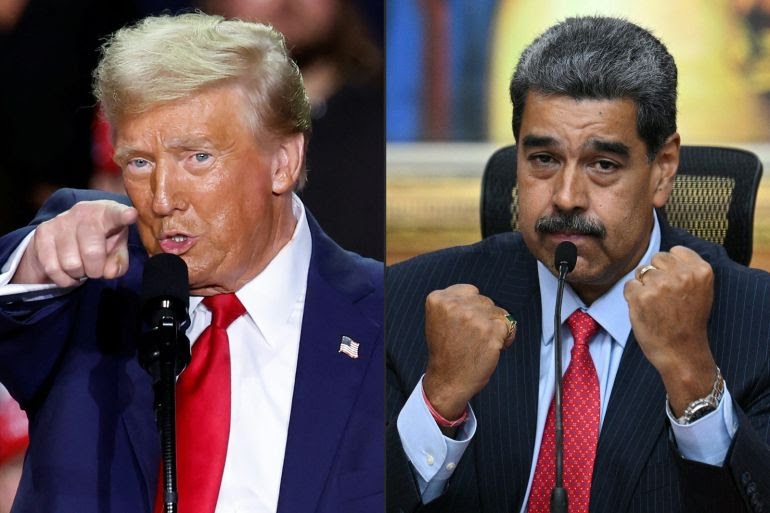
The United States invasion of Venezuela appears increasingly imminent as President Donald Trump announced a full closure of airspace over the country and its surrounding areas.

Trump, in a Truth Social post, declared: “To all Airlines, Pilots, Drug Dealers, and Human Traffickers, please consider THE AIRSPACE ABOVE AND SURROUNDING VENEZUELA TO BE CLOSED IN ITS ENTIRETY.”

Last week, the US Federal Aviation Administration (FAA) warned major airlines of a “potentially hazardous situation” when flying over Venezuela due to a “worsening security situation and heightened military activity in or around” the country.

Venezuela responded by revoking operating rights for six major international airlines that had suspended flights after the FAA advisory.

The Venezuelan government insisted the FAA lacked authority over its airspace, but the alert prompted several airlines to halt flights to the country from November 24 to 28, according to Marisela de Loaiza, president of the Airlines Association in Venezuela.

Venezuela’s civil aviation authority announced late Wednesday that Spain’s Iberia, Portugal’s TAP, Colombia’s Avianca, Chile’s and Brazil’s LATAM, Brazil’s Gol, and Turkish Airlines would have their permits withdrawn.

The authority said the move was taken against the airlines for aligning with “the actions of state terrorism promoted by the United States government.”

Rising tensions follow a US military build-up off the South American coast and a series of military strikes targeting vessels in international waters off Venezuela and Colombia, which have resulted in at least 83 deaths.

The US has alleged, without presenting evidence, that the targeted boats were involved in drug trafficking.

Latin American leaders, international law specialists, families of the victims, and some members of the US Congress have denounced the strikes as extrajudicial killings, insisting many of those killed were fishermen.

Concerns are mounting that Trump may use the military presence in the region — which includes thousands of US troops, a nuclear submarine, and warships accompanying the USS Gerald R Ford, the US Navy’s most advanced aircraft carrier — to launch an attack on Venezuela in an attempt to remove President Nicolas Maduro.

The US has accused Maduro of drug trafficking, while the Venezuelan leader has accused Washington of “fabricating a new eternal war” against him.

November 29, 2025 0 comments
0 FacebookTwitterPinterestEmail
military on patrol
FeaturedWorld

Africa’s 10 Military Coups Since 2020 and Their Impact

ideemlawful profile1iDeemlawful November 29, 2025
ideemlawful profile1iDeemlawful

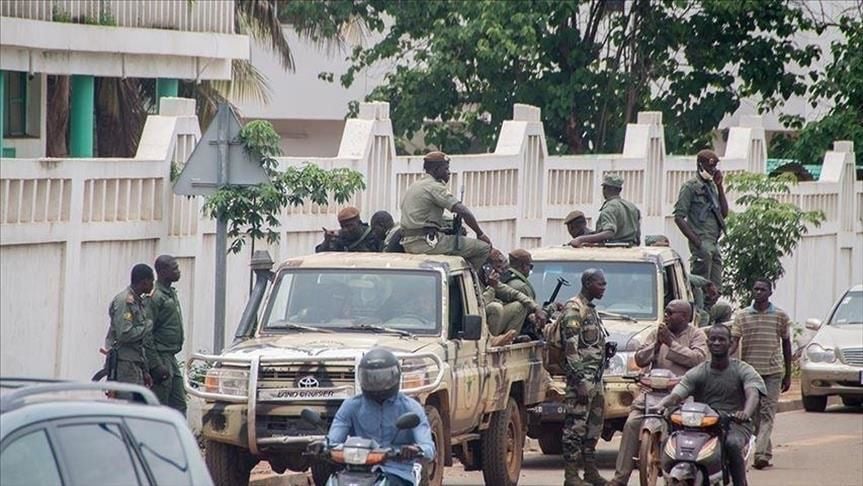
Africa has recorded at least 10 military takeovers in the past five years, disrupting democratic processes across the continent. The latest occurred in Guinea-Bissau, where a military junta seized power and halted elections just hours before the electoral commission was expected to announce presidential results.

The development has triggered widespread condemnation, with regional blocs and foreign governments demanding a swift return to democratic rule.

ECOWAS has already suspended Guinea-Bissau from all decision-making bodies, while observer missions from the African Union and ECOWAS described the coup as an effort to derail the country’s fragile path to stability.

With this latest incident, Africa has now witnessed 10 coups since 2020, including two in Burkina Faso in 2022.

Here is a timeline of coups on the continent since 2020.

  1. Mali

In August 2020, five military colonels removed President Ibrahim Boubacar Keita from office. In May 2021, the same military faction toppled the interim civilian government.

Colonel Assimi Goita, who led both takeovers, became transitional leader. Elections set for February 2024 were postponed indefinitely due to persistent jihadist attacks.

By July 2025, Goita enacted a law granting himself a five-year renewable presidential term. Since September, jihadist groups have imposed a fuel blockade that has weakened the junta.

  1. Chad

Following the battlefield death of President Idriss Deby in April 2021, the military bypassed constitutional succession, dissolved parliament, and installed his son, Mahamat Kaka Deby, as interim leader.

He secured his position through a disputed presidential election in 2024.

  1. Guinea

On September 5, 2021, a group of soldiers led by Lieutenant-Colonel Mamady Doumbouya ousted President Alpha Condé.

Doumbouya later announced his intention to contest the December 28, 2025 election meant to restore civilian rule.

  1. Sudan

On October 25, 2021, after prolonged disagreements between civilian and military leaders, army chief Abdel Fattah al-Burhan staged a takeover.

Since April 2023, fighting between Burhan’s forces and the Rapid Support Forces has killed tens of thousands, creating a major humanitarian disaster.

  1. Burkina Faso

The country saw two coups in 2022. In January, soldiers led by Lieutenant-Colonel Paul-Henri Sandaogo Damiba ousted President Roch Marc Christian Kaboré.

By September, Damiba himself was removed, and Captain Ibrahim Traoré became transitional leader. Elections never took place, and in May 2024, the junta extended Traoré’s rule for another five years amid escalating Islamist violence.

  1. Niger

On July 26, 2023, the presidential guard deposed President Mohamed Bazoum. General Abdourahamane Tiani, its commander, assumed power.

In March 2025, the junta extended the transition by at least five years as the country continued to face militant attacks.

  1. Gabon

After 55 years of Bongo family rule, the military toppled President Ali Bongo Ondimba on August 30, 2023, shortly after he was declared the election winner amid allegations of fraud.

General Brice Oligui Nguema became transitional leader and was formally elected in April 2025 with 94.85% support following a new constitution adopted by referendum.

  1. Madagascar

In October 2025, the military removed President Andry Rajoelina after weeks of anti-government protests driven largely by “Gen Z” activists. Colonel Michael Randrianirina was sworn in and promised elections within 18–24 months.

  1. Guinea-Bissau

Guinea-Bissau, long prone to instability, witnessed another coup on Wednesday, November 26, when military officers announced on national television that they had deposed President Umaro Sissoco Embalo, suspended elections, and taken over state institutions.

The African Union and ECOWAS condemned the takeover, but the junta has remained in control, plunging the country back into uncertainty.

The surge of coups across Africa underscores the fragile political landscape in several regions. Nations across West Africa, the Sahel, and parts of the Indian Ocean have grappled with insecurity, disputed elections, weak institutions, and public frustration. Though each nation’s crisis differs, the outcomes are similar—delayed transitions, unrest, and citizens left uncertain about their future.

These developments raise difficult questions about democratic resilience, governance, and regional stability. While AU and ECOWAS continue calling for a return to constitutional rule, the real challenge is whether affected nations can rebuild trust, strengthen institutions, and restore civilian leadership.

For now, Africa’s political trajectory remains uncertain, but understanding how these coups evolved provides crucial context for the challenges ahead.

November 29, 2025 0 comments
0 FacebookTwitterPinterestEmail
Newer Posts
Next Posts
  • Facebook
  • Twitter

All Right Reserved. Developed by Deemlawful


Back To Top
iDeemlawful
  • Home