iDeemlawful
  • News
  • Commentaries
  • Education
  • CourtRoom
  • Tech
  • Career
  • Lifestyle
  • World
iDeemlawful
  • News
  • Commentaries
  • Education
  • CourtRoom
  • Tech
  • Career
  • Lifestyle
  • World
iDeemlawful
iDeemlawful
  • About
  • Advertise
  • Editorial
  • Support

Copyright 2021 - All Right Reserved. Designed and Developed by PenciDesign

Category:

Commentaries

A Nigerian Online News, Breaking News, Nigerian News, Legal Analysis, Law and Governance, Commentaries, Business and Politics.

Commentaries

THE CASE OF MARYAM SANDA: A RESTORATIVE JUSTICE PERSPECTIVE

ideemlawful profile1iDeemlawful December 12, 2025
ideemlawful profile1iDeemlawful

By: Habeeb Olayinka Lawal, Esq., AICMC, ACIBF

Sometimes, we acknowledge and even agree that a criminal infraction has been committed, and that the culprit is guilty and deserving of punishment. However, in some peculiar circumstances, the form that punishment should take, or how it should be carried out, calls for deeper reflection. The case of Maryam Sanda is one of such cases.

The Story Behind the Tragedy

In November 2017, Maryam Sanda was accused of killing her husband, Bilyamin Muhammed Bello, with a knife. The incident reportedly occurred after Maryam requested to use her husband’s mobile phone and discovered certain nude photos of another lady on it. What began as an emotional confrontation turned into a tragic event that ended a life, shattered a family and birthed one of the most talked-about criminal cases in Nigeria.

Following the incident, Maryam was arrested, arraigned and tried on a two-count charge of culpable homicide and ancillary offences, alongside her mother, brother and housekeeper, who were accused of tampering with key evidence.

Maryam and her husband had married in 2015 and were blessed with two daughters, the youngest being just three months old at the time of her conviction.

The facts are clear, the loss is painful and the conviction under our current punitive justice model is legally sound. Yet, beyond the courtroom’s verdict lies a human tragedy that demands moral and societal reflection.

Looking Through the Lens of Restorative Justice

The philosophy of Restorative Justice (RJ) invites us to look beyond the surface of punishment and to consider healing, accountability and restoration. RJ rests on the belief that the primary determinants of justice are the interests of the victim, the community and even the offender.

What is Restorative Justice?

Restorative Justice is a set of principles and practices that create a different approach to dealing with crime and its impacts. It works to address the dehumanization frequently experienced by people in the traditional criminal justice system. Rather than viewing a criminal act as simply a violation of a rule or statute, restorative justice sees it as a violation of people and relationships.

It seeks to examine the harmful impact of a crime and determine what can be done to repair that harm, while holding the person who caused it accountable for his or her actions. Accountability here means accepting responsibility and acting to repair the harm done. Outcomes under this model aim to both heal the harm and address the underlying reasons for the offense, reducing the likelihood of re-offense. Thus, restorative justice measures results not by the severity of punishment, but by how successfully the harm is repaired.

Under the conventional system, Maryam’s execution (or any purely punitive sentence) might seem to satisfy justice. Yet, it neither restores the life lost nor heals the wounds inflicted on both families. If Bilyamin’s family loses a son, and Maryam’s children lose a mother, what then remains of the home they once shared?

The Heart of Restorative Justice

Restorative Justice is anchored on a few philosophical beliefs that:

  1. Human beings, even those who commit grievous wrongs, are capable of reform.
  1. Forgiveness and an opportunity for restitution should be possible.
  2. Offenders should be given a chance to make direct amends to their victims, and to take personal responsibility for their actions.

Having an offender languish on death row or spend life in prison may satisfy society’s instinct for retribution, but it does not necessarily achieve the goals of peace, healing or prevention of future harm. True justice seeks not only to punish wrongdoing but also to transform hearts and restore relationships.

Maryam’s case, tragic as it is, offers a platform for dialogue on how emotions, psychological distress and lack of conflict management can lead to irreparable harm. A restorative model would seek to uncover the “why” behind her actions, promote emotional healing for both families and support the welfare of the innocent children caught in between.

A Human Face of Justice

If Maryam Sanda has shown genuine remorse, repentance and willingness to reform, society must be open to discussions of commuted sentence, rehabilitation or pardon. This is not an act of leniency toward crime but an affirmation that justice, in its purest form, is not vengeance.

Justice must heal as much as it punishes. Mercy should also not be seen as weakness, but the highest expression of strength in justice.

The lesson from this case extends beyond Maryam and Bilyamin. It is a call to all, husbands and wives alike, to handle conflicts with restraint, seek counseling when needed and remember that one uncontrolled moment of anger can destroy entire generations.

Conclusion

The story of Maryam Sanda is one of pain, passion and profound lessons. It reminds us that justice cannot be complete unless it addresses the needs of all parties — the victim, the community and the offender.

Restorative Justice does not deny the wrong, it seeks to heal the harm. It is justice with a human heart.


December 12, 2025 0 comments
0 FacebookTwitterPinterestEmail
ISRAEL ADEBIYI. ESQ.
Commentaries

DETTY DECEMBER; NOT YOUR DETTY DECEMBER

ideemlawful profile1iDeemlawful December 12, 2025
ideemlawful profile1iDeemlawful

ISRAEL ADEBIYI. ESQ.*

You know that popular phrase we throw and use here and there in Nigeria? Are you aware, that the phrase is no longer available for commercial use anymore, like it was before?

 The widespread use of this phrase, most especially as events’ theme during the ember months, has birthed a trademark dispute. News reports about a few years back, state that Nigerian singer Dare Art Alade and his wife Deola Art Alade, through their entertainment company Livespot 360, registered the phrase, Detty December under entertainment related classifications. Although, many Nigerians find this unbelievable, but sorry and not sorry to say, Nigerian trademark law aligns with their position (Dare & Deola Art ALade).

  Trademark protection normally excludes everyday expressions that form part of general vocabulary. Something shifts when a developmental change occurs in the interpretation of a phrase, this, in legal parlance, is described as secondary meaning. This occurs when members of the public begin to associate an expression with a specific source, event, product, or service rendered. Once this connection is established, the phrase becomes capable of being trademarked.

       It is worthy of note, that the Nigerian Trademarks Act Cap T13 Laws of the Federation of Nigeria 2004, and the Trademarks Regulations 1967, operate on a first to file principle. The implication of this? A person who registers an expression such as Detty December Festival within a relevant trademark class can acquire enforceable commercial rights even if that person did not create the phrase. WHAT SHOULD YOU UNDERSTAND? The Origin, source, or whatever be it so called, so far it is the point of emanation, does not secure or guarantee priority, what does that is REGISTRATION.

             Registration does not grant absolute control over public conversations. Citizens remain free to use the expression in everyday discussion. The owner of a registered mark may only attempt to limit commercial use within the class or classes of registration. Commercial use may include event naming, promotions, ticketing e.t.c. The important question is whether such use can mislead the public into assuming that the activity is connected with or endorsed by the trademark owner.

RELEVANT CLASSES REPORTED FOR THIS EXPRESSION (PHRASE) INCLUDE:

1.      Class Forty One: Entertainment services, live shows, concerts, cultural activity planning, and related artistic production

2.      Class Thirty Five: Advertising services, promotional services, and merchandising services

         On the issue of passing off; Passing off protects goodwill associated with a name, mark, or expression even when that expression is not registered. If a person uses an expression in a manner that misleads the public into believing there is a relationship with the rightful owner, an action in passing off may arise. However, the claimant must show goodwill, misrepresentation, and damage. Registration offers stronger protection, but passing off remains available where actual goodwill exists and the use can mislead.

This leads us to highlighting the various contexts which this phrase may be used.

1.      Conversational use of the expression Detty December

2.       Private noncommercial references

3.      Editorial commentary or academic discussion

4.      Artistic work where the public would not reasonably assume sponsorship or affiliation

What context is this phrase not permitted to be used? We have highlighted a few ones below.

1.       Commercial events titled Detty December

2.       Production and sale of shirts, hats, or similar goods bearing the expression Detty December

3.       Promotional campaigns implying endorsement by Livespot360

4.      Sale of audio, video, or digital content under the name Detty December

        A recent public reaction to this registration surfaced this year, when Livespot 360 promoted its Detty December Fest event. The trending discussion quickly expanded to a social media conversation on fairness, access and the nature of trademark ownership. Quite a number of Nigerians are of the belief that the expression is a cultural term and should remain in the public domain while a few others argue that nothing stops any party from registering a phrase with commercial value if the law so permits.

      The lesson herein is clear and direct. If a phrase or slogan has commercial potential, its protection should be a priority. The trademark legislations rewards the first filer, not the most creative origin and not the most popular user. The strongest legal position belongs to the party that secured registration.

     Register and resolve questions later.

ISRAEL ADEBIYI. ESQ.

   Israel Adebiyi is a young Nigerian lawyer, creative, and entrepreneur with a growing footprint in talent management, brand strategy, and wellness. He is the brain behind TRET Inc, a consultancy focused on talent, ideas, and branding, where he works as a talent manager, business consultant, and creative strategist. Beyond law, Israel is also a certified masseur and wellness therapist, training as a Disk Jockey, and committed to personal growth through study, fitness, and spiritual discipline. He blends law, wellness, and creativity, balancing work, worship, and innovation in his daily life

December 12, 2025 0 comments
0 FacebookTwitterPinterestEmail
images (13)(1)
Commentaries

REVISTING DISABILITY RIGHTS IN NIGERIA: THE PANACEA TOWARDS AN INCLUSIVE SOCIETY

ideemlawful profile1iDeemlawful December 12, 2025
ideemlawful profile1iDeemlawful

CO-AUTHORED BY Frank C. Okike & Eze-Atuonwu Onyedikachi Divine. Via University of Nigeria Enugu Campus

ABSTRACT – It is trite and an accepted truism that human rights are inherent, fundamental, universal and inalienable. This connotes that human rights are intrinsic, core and tied to our human existence, and applies to all humans notwithstanding who they are and where theyare, which cannot be taken away from us, no matter the circumstance. Thus, no set of persons should enjoy the same set of rights over another, and it would be gross discrimination for one to suggest otherwise. This principle is the cornerstone of international human rights law and is entrenched in various international treaties and national laws. However, in practice, the same case cannot be said with assuring confidence of Persons With Disabilities (PWDs). Thus, this paper argues that despite notable legislative efforts, PWDs are still to an extent treated as second class citizens due to the inability of government and relevant stakeholders to bridge the gnawing gap between policy making and effective implementation thereof. This paper concludes that there should be a synergy amongst state actors to create a more inclusive environment for Persons With Disabilities (PWDs).

Keywords: Disability rights; Persons With Disabilities (PWDs); Inclusion; Effective implementation.

  1. INTRODUCTION

Rights! Rights! Rights! At no point in history has these words been used more frequently than now. It may be that, without discrimination, there may be no advocacy for rights. But here we are, because without advocacy, people would be unaware of the existence of these rights. And if people are not aware, discrimination will strive, because darkness exists where lights extinct, at least in the case of persons with disabilities. Maybe this article should be renamed “The Case for Persons with Disabilities”. But however the name you think deems fit, it doesn’t erase the fact that there are categories of persons in the society that are, unknowingly ostracised and treated as societal outcast despite attempts being made for their inclusion.

The 2030 Agenda for Sustainable Development has as one of its goals the quest to reduce inequalities across the globe.[1] Although Nigeria has made great progress towards a more inclusive society especially for persons with disabilities, by signing and ratifying the Convention for the Rights of Persons with Disabilities (CRPD) and signing the Discrimination Against Persons with Disabilities (Prohibition) Act (DAPDA) 2018, there remains a gnawing gap between policy making and effective implementation. According to World Health Organization (WHO), an estimated 1.3 billion persons, corresponding to about 16% of the world’s population, experience a significant disability today.[2] In Nigeria, the number, which is disputed, ranges between 19-36 million persons. This shows a great need in addressing the concern of inequality and inclusion.

Thus, in addressing the concerns raised, this work shall examine the legal framework surrounding the rights of persons with disabilities in Nigeria, analyse the hurdles faced by these persons and the challenges towards an effective implementation of policies regarding persons with disabilities in Nigeria and will proffer long lasting solutions.

2.0 LEGAL FRAMEWORK

2.1. National Framework

A. The Constitution of the Federal Republic of Nigeria 1999 (As Amended)

The Nigerian Constitution which is our grand norm provides for freedom from discrimination under Section 42. More specifically, it provides that no citizen of Nigeria shall be subjected to any disability or discrimination merely by the circumstances of his birth.[3] He also has the rights to personal liberty,[4] to movement[5] and association,[6] even the most basic right to life among others.[7] This goes to show that the fundamental human rights enshrined in chapter IV of the constitution applies to everyone in the country including persons with disabilities. Thus, it may be considered as the bedrock and cornerstone of disability rights in Nigeria.

B. The Discrimination Against Persons with Disabilities (Prohibition) Act 2018

The enactment of DAPDA 2018 presents the first step Nigeria has made towards the fulfilment of its obligations under the United Nations Convention for the Rights of Persons with Disabilities (CRPD), and a significant step towards the inclusion of persons with disabilities.

Section 1 prohibits all forms of discrimination and persons with disabilities, correspondingly providing penalties for non-compliance.[8] Section 3 provides for equal access to physical environment and buildings. The act also provides that public facilities should be constructed with aids that can assist persons with disabilities such as lifts and ramps for public buildings and pedestrian crossing on public roads and these must be made accessible to them.[9] Section 6 allows for a five year transition period where public buildings whether movable or immovable would be modified for persons with disabilities including those on wheelchairs. The act also provides that before a public structure is erected, it must be scrutinised so as to ensure conformity with the building code and where the plan does not make provisions for accessibility facilities, the government should not approve of it.[10] The act also provides for means of transportation to be accessible to persons with disabilities.[11]Persons with disabilities (PWDs) have unfettered right to education alongside free secondary school education. Section 18 provides for inclusiveness of education for those with disabilities alongside the provision of Braille, sign language, etc.[12] They have the right to work on equal basis with others and employers of labour shall, as much as possible, ensure that persons with disabilities make up at least 5% of their labour workforce.[13]

 Significantly, the DAPDA 2018 establishes the National Commission for Persons with Disabilities.[14] The Commission is charged with ensuring, inter alia, that the provisions of the Act are complied with.

C. The Companies and Allied Matters Act (CAMA) 2020

The Companies and Allied Matters Act (CAMA) 2020 was signed into law on the 7th of August, 2020. It governs the establishment and management of companies in Nigeria. It supersedes and repels the Companies and Allied Matters Act (CAMA) 2004, which was itself an improvement upon the Companies Act of 1968.[15]

The Act seeks to promote the employment, training and advancement of persons with disabilities.[16] This is amplified by Part III of the Fourth Schedule of the CAMA which specifies the format that company annual reports must follow in order to meet the requirements of PWDs inclusion.

D. The Electoral Act 2022

The Electoral Act, 2022 is the legal framework regulating the electoral process in Nigeria. It is improvement on the repealed Electoral Act of 2010, bringing about several innovations aimed at ensuring a freer and fair electoral process, more political participation and the reduction of electoral malpractices.

One distinctive innovation brought about by the 2020 Act is its inclusion of persons with disabilities. For example, Section 9(1) of the act provides that the continuous maintenance, compilation and update of the National Register of Voters shall include persons with disabilities.[17] It also provides that the Independent National Electoral Commission (INEC) should ensure that persons with disabilities, special needs and vulnerable persons are assisted at polling units through the provision of suitable means of communication such as Braille, electronic devices, sign language interpretation, among others.[18] It goes further to give a contextual definition of what a person with disability means.[19]

2.2. International Framework

The United Nations Convention on the Rights of Persons with Disabilities (UNCRPD)

The United Nations Convention on the Rights of Persons with Disabilities (UNCRPD) was adopted on the 13th day of December 2006. As of November 2024, the convention has been ratified by 191 parties.[20] Its’ aim is to promote, protect and ensure the full and equal enjoyment of all human rights and fundamental freedom by all disabled persons.[21] Notably, it is the first human rights treaty of the 21st century, and the first human right treaty that most comprehensively enshrines the rights of PWDs.

The UNCRPD contains 50 articles, of which 26 covers all areas of life ranging from health, education, to accessibility, equal recognition before the law, etc. For example, Article 5(2) provides that state parties should prohibit all form of discrimination against PWDs. Articles 6 and 7 provides that state parties should ensure the inclusion of women and children with disabilities respectively. Article 9, which is in consonance with DAPRA Sections 3, 4, 5 and 6 provides that public facilities should be accessible for use for PWDs. Other provisions include: right to life,[22] access to justice,[23] liberty and security of persons,[24] freedom from torture, cruel, inhumane and degrading treatment,[25] education,[26] health,[27] etc.

3.0 BEYOND THE RIGHTS: THE HURDLES

Despite progress, Nigeria’s disability landscape remains bleak: Persons with Disabilities (PWDs) are systematically excluded from socio-economic and political opportunities. The 2018 Discrimination Against Persons with Disabilities (Prohibition) Act, though existent, faces domestication challenges in many states, while significant implementation hurdles persist. In this part, we shall consider the challenges of implementing this crucial legislation:

1. Lack of Political Will: The absence of political will is a significant obstacle to implementing the Act. State governments’ reluctance to domesticate the Act may stem from government negligence or lack of commitment to supporting key decisions about disability rights. This lack of political will can manifest in various ways, including failure to allocate sufficient resources and funding for disability programs and initiatives. Furthermore, inadequate representation of persons with disabilities in government decision-making processes can exacerbate the problem. Limited awareness and understanding of disability issues among government officials and policymakers can also contribute to the lack of political will. This challenge is evident in states like Abia, Enugu, Imo, and Ebonyi, where the domestication and implementation of the Act have been slow.[28]

2. Insufficient Funding and Resources: Implementing the Act requires significant financial investments, which may be a burden for state governments. The costs associated with adjusting public structures to make them accessible to persons with disabilities, providing assistive technologies and devices, training personnel to support persons with disabilities, and establishing and maintaining disability programs and services can be substantial. Insufficient funding can hinder the effective implementation of the Act, leaving persons with disabilities without access to essential services and support.[29] Moreover, the lack of resources can lead to inadequate infrastructure, inadequate personnel, and inadequate services, ultimately affecting the quality of life of persons with disabilities. This challenge is common in states like Ebonyi, where the government has not allocated sufficient funds for disability programs and initiatives.

3. Ineffective Multi-Sectoral Platforms: Weak collaboration between sectors, such as utility, health, transport, education, housing, and community services, can hinder the accomplishment of goals and outcomes for persons with disabilities. Ineffective multi-sectoral platforms can result in duplication of efforts, inefficient use of resources, lack of coordination and communication, and inadequate support for persons with disabilities. This can lead to a fragmented approach to disability support, where different sectors work in isolation, rather than in collaboration, to provide services and support. Ultimately, this can result in inadequate and ineffective support for persons with disabilities. States like Enugu and Imo face this challenge, where different sectors work in isolation, leading to inadequate support for persons with disabilities.

4. Internal Conflicts and Disunity: Fragmentation within persons with disabilities (PWD) groups, such as JONAPWD, can prevent them from speaking with one voice and drawing government attention to the domestication of the Disability Act. Internal conflicts and disunity can weaken the advocacy efforts of PWD groups, create divisions and rivalries within the disability community, distract from the core mission of promoting disability rights, and undermine the credibility and effectiveness of PWD groups. This can ultimately lead to a lack of cohesion and unity among PWD groups, making it more challenging to advocate for their rights and interests. This challenge is evident in states like Ebonyi, where internal conflicts within JONAPWD have hindered their advocacy efforts.[30]

5. Legislative Hurdles: Lawmakers perceptions and priorities can override the importance of domesticating the Act. Legislative hurdles can include lack of understanding or awareness about disability issues among lawmakers, competing priorities and interests that take precedence over disability rights, inadequate representation of persons with disabilities in the legislative process, and limited opportunities for public input and participation in the legislative process. These hurdles can result in a lack of progress in domesticating the Act, ultimately affecting the rights and well-being of persons with disabilities. States like Abia and Enugu face this challenge, where lawmakers’ perceptions and priorities have hindered the domestication of the Act.

4.0. TOWARDS AN INCLUSIVE SOCIETY: THE WAY FORWARD

Despite the hurdles, there are still lasting solutions to the ineffectiveness of the Act, which this study seeks to recommend. They are as follows:

1. Improved Awareness and Understanding: The government and stakeholders should promote awareness and understanding of disability rights among the public. This can be achieved through seminars, workshops, and training programs that focus on disability rights and the provisions of the Discrimination against Persons with Disabilities (Prohibition) Act. These programs should be designed to educate the public about the importance of disability rights and the need to promote inclusion and accessibility. By promoting awareness and understanding, the government and stakeholders can help to reduce stigma and discrimination against persons with disabilities.

2. Implementation of the Act: The government and stakeholders should ensure the effective implementation of the Act’s provisions, particularly in relation to access to education, employment, healthcare, and other essential services. This requires collaboration with educational institutions to ensure that they provide accessible facilities and support services for students with disabilities. Employers should also be encouraged to promote inclusive hiring practices and provide reasonable accommodations for employees with disabilities. The government and stakeholders should work together to develop guidelines and standards for accessible education, employment, and healthcare.

3. Provision of Support and Resources: The government and stakeholders should provide support and resources for persons with disabilities. This can include establishing disability support units or providing scholarships and bursaries for students with disabilities. Mentorship programs that pair persons with disabilities with experienced mentors who can provide guidance and support are also essential. These programs can help to build confidence and skills, and provide persons with disabilities with the support they need to succeed.

4. Accessibility in Public Services: The government and stakeholders should promote accessibility in public services by advocating for the use of accessible language and formats in public documents and proceedings. This includes collaborating with public institutions to develop guidelines for accessible services and promoting the use of assistive technology in public institutions. Public buildings and facilities should also be designed to be accessible to persons with disabilities.

5. Improved Synergy with Stakeholders: The government and stakeholders should collaborate with other stakeholders, including civil society organizations, disability rights groups, and the private sector, to promote the rights and interests of persons with disabilities in Nigeria. This includes advocating for policy changes and legislative reforms that promote greater inclusion and accessibility for persons with disabilities. By working together, the government and stakeholders can help to create a more inclusive and accessible society for all.

5.0 ANCHORING HOPE: CONCLUSION

This study has extensively examined the barriers to domesticating and implementing the Disability Act in Southeast Nigeria. The findings underscore the significance of political will in driving the domestication process, highlighting the lack of political will by state governments as a major obstacle. Additionally, internal conflicts within disability organizations, such as JONAPWD, have been identified as a significant challenge, undermining their ability to mobilize and advocate for the domestication and implementation of the Act.

Despite some limitations, including difficulties in accessing certain clusters and the unavailability of House of Assembly members, this study provides valuable insights into the complexities surrounding the Disability Act’s implementation. To overcome these challenges, it is essential to foster political will, enhance internal cohesion among disability organizations, and promote collaborative advocacy efforts involving social workers, state governments, and other stakeholders.

Ultimately, addressing the challenges hindering the implementation of the Discrimination against Persons with Disabilities (Prohibition) Act requires immediate attention from stakeholders. The Act’s effective implementation is crucial for promoting the rights and well-being of persons with disabilities in Nigeria. Therefore, collective action from the government, stakeholders, and disability organizations is necessary to ensure the inclusion and accessibility of persons with disabilities in Nigeria.


[1]’17 Goals’, (United Nations Department of Economic and Social Affairs, 2022). <https://sdgs.un.org/goals> accessed 1 February, 2025.

[2] ‘Disability’ (World Health Organization, 7 March 2023) <https://www.who.int/news-room/fact-sheets/detail/disability-and-health#:~:text=Key%20facts,earlier%20than%20those%20without%20disabilities> accessed 16 February 2025

[3]Constitution of the Federal Republic of Nigeria 1999 (As Amended), s. 42(2)

[4] Ibid, s. 35

[5] Ibid, s. 41

[6] Ibid, s. 40

[7] Ibid, s. 33

[8]Discrimination Against Persons with Disabilities (Prohibition) Act 2018, s. 1(1) and (2)

[9] Ibid, ss. 4 and 5

[10] Ibid, s. 7(1) and (2)

[11] Ibid, ss. 9-15

[12] Ibid, s. 18 (1) and (2)

[13] Ibid, ss. 28 and 29

[14] Ibid, s. 31

[15] ‘Companies and Allied Matters Act (CAMA) 2020’ (Wikipedia) <https://en.wikipedia.org/wiki/Companies_and_Allied_Matters_Act,_2020> accessed 17 February 2025

[16]Companies and Allied Matters Act (CAMA) 2020, s. 385 (5)

[17]Electoral Act 2022, s. 9(1)(b)

[18] Ibid, s. 54 (2)

[19] Ibid, see s. 153

[20] ‘United Nations Convention on the Rights of Persons with Disabilities’ (National Disability Authority) <https://nda.ie/disability-policy/uncrpd> accessed 17 February 2025

[21] ibid

[22]United Nations Convention on the Rights of Persons with Disabilities, s. 10

[23] Ibid, s. 13

[24] Ibid, s. 14

[25] Ibid, s. 15

[26] Ibid, s. 24

[27] Ibid, s. 25

[28] ‘Nigerian Disability Rights Acts 3 Years After: Prospects and Challenges’ (Pulse Nigeria, 25 July 2024) https://www.pulse.ng/articles/news/local/nigerian-disability-rights-acts-3-years-after-prospects-and-challenges-2024072508191955850 accessed 18 February 2025.

[29] Ibid

[30] Ibid

December 12, 2025 0 comments
0 FacebookTwitterPinterestEmail
Commentaries

WHY THE CALL TO ABOLISH SHARI’A IN NIGERIA MISSES THE MARK

ideemlawful profile1iDeemlawful December 12, 2025
ideemlawful profile1iDeemlawful

By Habeeb Olayinka Lawal*

Introduction – A recent statement attributed to the United States calling for the abolition of Shari’a law in Nigeria has raised understandable concern across the legal and religious landscape. If the report is accurate, it once again reveals how effortlessly foreign governments venture into the internal affairs of sovereign nations, and how often such ventures are made without even a basic grasp of context. It is not merely interference; it is uninformed interference.

There is a simple principle doctors live by: no one prescribes a medicine without first understanding the patient’s history and condition. Anything short of that is malpractice. International diplomacy and legal commentary demand the same caution. Prescribing solutions for Nigeria without understanding our legal history, constitutional design and religious dynamics is reckless—and frequently harmful.

This brings us to the essential question: What exactly is Shari’a law in Nigeria, and why is it constitutionally protected?

Shari’a: A Legally Recognized and Constitutionally Protected Component of Nigeria’s System

Contrary to popular misconceptions, Shari’a is not a foreign import, nor is it a political scheme crafted by northern elites. It is one of Nigeria’s three foundational legal traditions—Common Law, Customary Law and Islamic Law—a fact repeatedly affirmed by the courts.

In Manu v. Muhammad (1997) 11 NWLR (Pt. 528) 323, the Court of Appeal held that: “The 1979 Constitution has recognised Islamic Law as one of the three legal cultures co-existing in Nigeria.”

Similarly, in Agbebu v. Bawa (1992) 6 NWLR (Pt. 245) 80, the Court reiterated that: “Islamic law is recognised as one of the three legal cultures co-existing in Nigeria.”

Thus, Shari’a is not an intrusion; it is an indigenous, constitutionally and judiciary-recognised legal tradition, deeply woven into the fabric of Nigerian jurisprudence.

Nigeria Forbids a State Religion—but Protects Religious Freedom

A recurring point in public debates is that Nigeria is a secular State. That is both true and misleading if not properly understood.

Yes, Section 10 of the 1999 Constitution forbids any government from adopting a State religion where it provides: “The Government of the Federation or of a State shall not adopt any religion as State Religion.” But the same Constitution, in Section 38, vigorously protects the right to freedom of thought, conscience and religion, including the right to manifest that religion “in practice and observance.”

This means:

  1. The State cannot impose a religion.
  2. But the State must protect the religious choices and legal systems of citizens where those practices are lawful and voluntary.

Consequently, observing Shari’a is not an act of State religion.
It is the religious practice of millions of Nigerian Muslims, and the Constitution protects their right to govern their affairs, especially personal ones —marriage, inheritance, family matters—by the laws of their faith.

Just as English Common Law evolved from Christian philosophy and ecclesiastical principles, Shari’a is the legal expression of Islamic religious life. If one is permitted and constitutionally preserved, the other cannot be condemned merely because its roots differ from Western norms.

Shari’a Is Limited, Defined and Jurisdictionally Clear

Nigeria’s Constitution is explicit. Sections 260, 262, 275 and 277 provide for Shari’a Courts of Appeal for the FCT and “any State that requires it.” Their jurisdiction is not unrestricted or ambiguous—it is clearly confined to Islamic personal law.

Shari’a in Nigeria covers: marriage, divorce, inheritance, guardianship, legitimacy, waqf (charitable endowments) and related civil matters.

And crucially, Shari’a courts cannot exercise jurisdiction over non-Muslims. This principle can easily be deduced from sections 262 and 277 of the Constitution.

The Court of Appeal, in Usman v. Usman (2003) 11 NWLR (Pt. 830) 109, beautifully captured the nature of Islamic law: “Islamic law is a reasonable and rational law… organic and developmental… humane and comprehensive… It establishes justice for all and sundry.”

Such a system cannot simply be dismissed by foreign voices acquainted neither with its structure nor its constitutional place.

The United States Must Understand Before Prescribing

For any nation—particularly one that operates its own forms of religious arbitration—to call on Nigeria to abolish Shari’a reveals a striking misunderstanding of our constitutional structure and cultural composition. It also exposes an assumption that what was not part of America’s own founding must somehow be inappropriate for others. This is not how global pluralism works, and certainly not how sovereign constitutional orders operate.

The United States itself allows Jewish Beth Din tribunals, Christian ecclesiastical arbitration bodies, and faith-based mediation centres to resolve family and civil disputes under its laws. These mechanisms exist because American citizens are free to order aspects of their lives according to their religious convictions. Yet, paradoxically, the same courtesy it grants its own citizens becomes a point of criticism when Muslims in Nigeria exercise an equivalent constitutional right.

The fact that Islam—and therefore Shari’a—was not part of the American legal foundation does not make it illegitimate elsewhere, especially in a country like Nigeria where a significant portion of the population is Muslim and where Islamic law has been part of the legal landscape for centuries. Nations are shaped by their histories, their religions, their cultures and their constitutional choices. The United States chose the path of English common law rooted in Christian moral philosophy. Nigeria, by contrast, evolved a plural system accommodating Common Law, Customary Law and Islamic Law—each serving a distinct segment of its diverse population.

To assume that only the American experience is valid, and that all other nations must conform to it, is not leadership. It is a form of intellectual and cultural overreach that disregards the sovereignty and identity of others.

Nigeria’s constitutional recognition of Shari’a is not an anomaly; it is a reflection of who we are. And no foreign nation—no matter how influential—can legitimately prescribe a cure for a constitutional design it has never taken the time to understand.

Conclusion

Shari’a is not a threat to Nigerian unity, nor is it a constitutional accident. It is a legally entrenched component of Nigeria’s identity—one that co-exists with Common Law and Customary Law.

Calls for its abolition are not rooted in Nigerian constitutionalism, legal reasoning or historical understanding. They stem from external misinterpretations that disregard our legal evolution and the lived realities of millions of citizens.

Nigeria must continue to uphold the pluralistic justice system that reflects its diversity and honours its Constitution. Shari’a is part of that system—and no amount of foreign misunderstanding can alter that fact.

* H. O. Lawal, ESQ is a legal practitioner based in Abuja. He can be reached via: 08169894541 or olayinkalawah@gmail.com

December 12, 2025 0 comments
0 FacebookTwitterPinterestEmail
ISRAEL ADEBIYI. ESQ.
Commentaries

WHAT DOES KENTE POSSESS AS A QUALITY PRODUCT, THAT NIGERIA HAS FAILED TO IDENTIFY IN THE POPULAR, THICK AND UNIQUE FABRIC; THE YORUBA ASO-OKE?

ideemlawful profile1iDeemlawful November 25, 2025
ideemlawful profile1iDeemlawful

by ISRAEL ADEBIYI. ESQ.

The protection of Aso Oke has transitioned beyond being a topical issue among Nigerians; it has evolved into a national demand that must be addressed as soon as practicable.

The Republic of Ghana, situated within the Gulf of Guinea, spanning across an area of 92,497 square miles, and being the second most populous country in West Africa, took a bold and decisive step by reasonably and timeously securing Geographical Indication status for Kente. Kente, being a Ghanian textile, made of hand-woven strips of silk and cotton, with a history that traces its existence and maiden use among the Asante, Akan and Ewe people and having the Asante Oral tradition claims of its origin from Bonwire in the Ashanti Region of Ghana, has not just survived the test of time, but it has become a cloth used for the celebration and commemoration of special events through-out Africa, as well as its use by Africans in Diaspora for academic stoles, in graduation ceremonies, thereby making it very high in demand. The world now recognizes Kente as a legally protected fabric and heritage that belongs to the Republic of Ghana. It has elevated beyond just a cultural symbol but one with attachment to a particular geographical location. There exist  no other way countries acquire ownership of their culture, cultural identity and secure it for generations, EXCEPT THROUGH THE LEGAL ROUTE.

The clamour for Nigeria to make a similar move, is one not backed with the required sufficient force. Taking a deep look at the popular, globally accepted and worn Yoruba Aso Oke, which is not just a regular fabric, but an evidence of the Yoruba cultural knowledge, heritage, and creative wealth passed down through lineages, it is evident that Nigeria possess a gem that should be protected, just as the Kente has been subjected to protection. The Aso-oke represents the core divine skills of communities across Ilorin, Iseyin, Oyo town, and Ondo city, who have kept this tradition alive through skill, passionate work for the craft that births the fabric and memory. Yet, there exist, no legal recognition for it, hereby, having it exist outside the protective umbrella of the law.

The Yoruba Asooke beyond being an intellectual property and national asset, is a strong economic product, possessed not just by the Yoruba race but Nigeria as a country. The weavers who dedicate their lives to this craft deserve their craft’s protection, as the absence of a standard legal structure leaves their work open to imitation and exploitation, while the original cultural custodians and craftsmen remain invisible and unacknowledged in global markets.

Being candid, I am aware Nigeria has made and is making quite some efforts to make this a reality. The acknowledgement of Aso Oke, as a product eligible for Geographical Indication protection by the Office of the Attorney-General of the Federal Republic of Nigeria, is one highly commendable. Also, the various conferences, policy discussions, workshops, and collaborations with the home-based Intellectual Property Organizations, with a uniform view of establishing a standard, strongly armed with proper awareness, is one highly commendable as well. These steps signify a good start, which is premised on the consciounes that lies within the necessary people, to seek the legal protection of an existing cultural gem; the Yoruba Aso-oke. One step worthy of mention is the step by the National Assembly to enact an Act for the purpose of Geographical Indication.

        The long-awaited Geographical Indications (Registration and Protection) Bill, 2025, currently before Nigeria’s House of Representatives after passing its first reading, marks a decisive step toward protecting indigenous and origin-linked products. The bill proposes the establishment of a Geographical Indications Registry under the Federal Ministry of Industry, Trade and Investment to oversee the registration, regulation, and protection of products whose quality or reputation is tied to a specific geographic region. Once enacted, it will allow associations of producers, cooperatives, or local enterprises to register goods such as Aso Oke, Ofada rice, Nsukka yellow pepper, and other craft or agricultural products that carry a distinct cultural identity. By granting exclusive rights to producers from the place of origin, the bill will not only prevent imitation and misuse by non-authentic manufacturers but also enhance market value, export potential, and community ownership. In effect, it promises to give Nigeria’s homemade and heritage products a competitive edge in both domestic and international markets through legal recognition and economic empowerment.

        However, irrespective of how good these aforementioned steps sound, they are still not sufficient efforts, the task demands more than what is being put into it and time, truly is of essence. The harsh reality is what we all are quite aware of, still wondering? There exists, no specialised Geographical Indication law in the present day Nigeria, at a time like this where the world is moving faster than it was ever imagined. No craft, including Aso Oke, has been formally registered or recognised with legal effect and as usual, what really exists now are conversations and proposals without legislative action. Pending the existence of a binding legal framework, these initiatives and propositions will remain promises and empty hopes that will not see the light of existence.

Herein lies the responsibilities of Federal commissions, parastatals and ministries that should be involved, as they jointly see to the establishment of a proper Geographical Indication process for the Yoruba Aso Oke and other indigenous crafts. This will aid the documentation of product origin, ownership, and communal rights.

The Republic of Ghana’s step is a proper reflection of what should be the norm in a society as developed as Nigeria. Nigeria cannot continue to speak of cultural pride without legislative proof of commitment. We are a People with diverse cultures, deserving of real protection, which is beyond mere comments, discussions, accolades and mention. The Aso-oke deserves protection and recognition under law. It possesses qualitites, even which other African Originated fabrics do not possess and our refusal to take any vital step will put us at the risk of losing ownership of what truly defines us, hereby, empowering other nations in labelling, patenting, and above all, profiting from what our people built by hand. Every delay weakens the value of our heritage and silences the very communities and craftsmen that uphold it, as expressed in the result of their craftmanship; AsoOke.

ISRAEL ADEBIYI. ESQ.

   Israel Adebiyi is a young Nigerian lawyer, creative, and entrepreneur with a growing footprint in talent management, brand strategy, and wellness. He is the brain behind TRET Inc, a consultancy focused on talent, ideas, and branding, where he works as a talent manager, business consultant, and creative strategist. Beyond law, Israel is also a certified masseur and wellness therapist, training as a Disk Jockey, and committed to personal growth through study, fitness, and spiritual discipline. He blends law, wellness, and creativity, balancing work, worship, and innovation in his daily life

November 25, 2025 0 comments
0 FacebookTwitterPinterestEmail
Commentaries

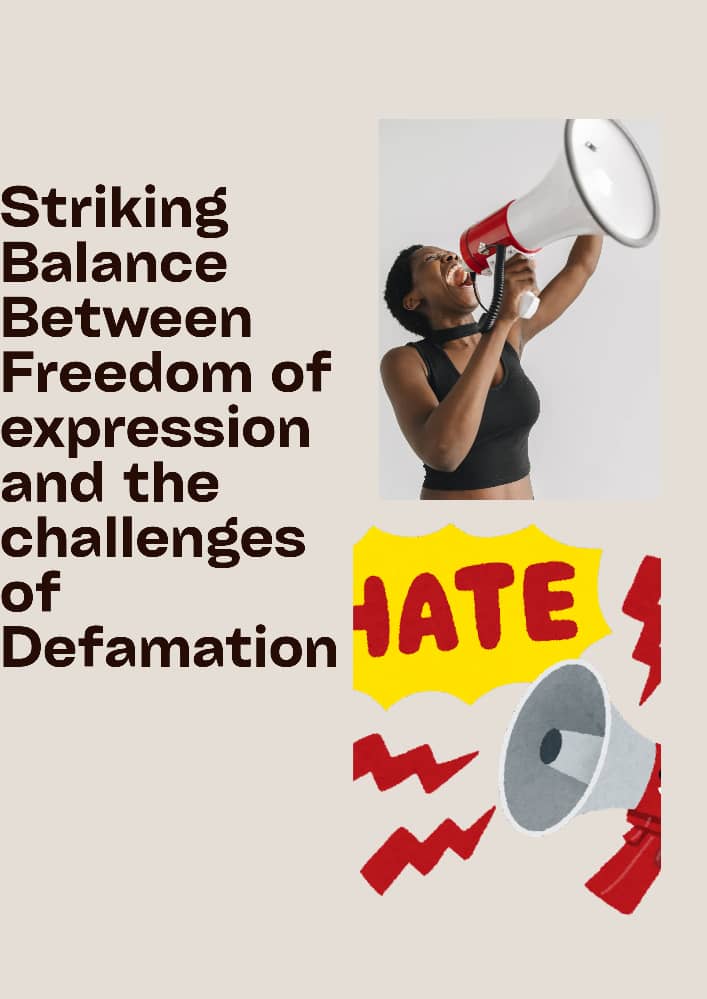
BALANCING CONSTITUTIONAL RIGHTS: FREEDOM OF EXPRESSION AND THE CHALLENGE OF DEFAMATION

ideemlawful profile1iDeemlawful October 24, 2025
ideemlawful profile1iDeemlawful

By: AYINLA FRIDAOUS OPEYEMI

INTRODUCTION – The right to freedom of expression is a fundamental right in any democratic society. In Nigeria, this right is enshrined in the 1999 Constitution, which guarantees citizens the freedom to have their opinions and receive information without any form of interference. However, this right is not absolute and can be restricted by laws reasonably justifiable in the country.

 One of the most challenging issues as regards this right is balancing the defamation of an individual’s reputation and freedom of expression. Defamation can cause harm to a person’s livelihood and their reputation. It is important to see the thin line and strike a balance between protecting the freedom of expression and avoiding the dangers of defamation.

FREEDOM OF EXPRESSION IN NIGERIA

The right to Freedom of Expression is a fundamental right which is contained in Section 39(2) of the Constitution of the Federal Republic of Nigeria (CFRN). The section provides inter alia that “every person shall be entitled to freedom of expression, including freedom to hold opinions and to receive and impart information without interference …”.

It is also contained in article 19 of the Universal Declaration of Human Rights (UDHR) and it states: “everyone has the right to freedom of opinion and expression, the rights includes freedom to hold opinions without interference and to seek, receive and impart information and ideas through any media and regardless of frontiers”

The Nigerian Human Rights Commission in an advisory opinion to the judiciary states the importance of safeguarding the right to freedom of expression and opinion, including in cyber spaces, to allow citizens to hold opinions freely in accordance with democratic principles, voice concerns, and hold those in power accountable.

Article 9 of the African charter of Human and People’s Rights which Nigeria has domesticated as part of its national law and domestic human rights obligations under the African Charter on Human and People’s’ Rights (Ratification and Enforcement) Act, Chapter A9 LFN 2004 provides that “every individual shall have the right to receive information. Every individual shall have the right to express and disseminate his opinions within the law”

Every citizen should have the right to exercise freedom of expression and access to information without distinction of any kind, such as ethnic group, sex, language, religion, political association, birth, age, class, level of education, occupation, disability, sexual orientation etc.

 Freedom of speech enables citizens to voice opinions on governance, society, and even religion without interference. Freedom of speech is what gives citizens the right to promote their religion without any form of interference from anyone.

How fundamental the Freedom of expression is has also been upheld by Nigerian courts. In Director of State Security Services v. Olisa Agbakoba (1999) 3 NWLR (Pt. 595) 314, the Court of Appeal affirmed the role of free speech in a democratic society, stating that any attempt to unduly limit it must be viewed with suspicion.

However, right to Freedom of expression is not absolute and can be restricted by laws reasonably justifiable in the country and this was held in the case of President, F.R.N. v. Isa(2017) 3 NWLR (Pt. 1553) 347 where the court iterated that

“Nothing in section 39, 37, 38, 40 and 41 of 1999 Constitution shall invalidate any law that is reasonably justifiable in a democratic society for the purpose of preventing the disclosure of information received in confidence, maintaining the authority and independence of courts or regulating telephony, wireless broadcasting, television or the exhibition of cinematograph films; or impose restrictions upon persons holding office under the Government of the Federation or of a state, members of armed forces of the federation or members of the Nigeria Police Force or other Government security services or agencies established by law”.

DEFAMATION

Defamation simply means a statement made in passing or written down which tends to lower the reputation of a person in the eyes of a right thinking member of the society.

For a statement to be regarded as defamatory, such statement must not have been true and must have been made against a person who has character.

Defamation tends to diminish an individual’s esteem among rational members of the community and cause the individual to be shunned, avoided, or isolated by others.

It also puts a person at danger of scorn, hatred, or contempt and cast doubt on someone in their position, industry, or profession.

Defamation can either be a criminal act or a civil wrong.

Where it is a civil wrong, Defamation can be in the form of Libel i.e written or published false statement or Slander i.e false statement made in passing through spoken communication.

For a claim of defamation to be successful in a civil wrong, it must be proven that

  • A defamatory statement was made.
  • It was addressed to the party
  • It was made to the hearing of a third party

Defences to Defamation in Civil trial includes

  • JUSTIFICATION: this is raised where the defamatory statement is known to be true.
  • FAIR COMMENT: fair comments can be a defence where the statement made is not intended to be taken as defamatory, but as a subjective opinion.
  • ABSOLUTE/QUALIFIED PRIVILEGE: The defence of qualified or absolute privilege permits a person in a position of authority or trust to make statements or relay or report statements that would be considered slander and libel if made by anyone else. For instance statements made in the parliament.

Where defamation is a Criminal offence, by section 373 of the Criminal Code, a defamatory matter is one which is likely to injure the reputation of any person by exposing him to hatred, contempt or ridicule or likely to damage any person in his profession or trade by an injury to his reputation.

By virtue of section 392 of the Penal Code Law,whoever defames another shall be punished with imprisonment for a term which may extend to two years or with fine or both.

 Sections 391 of the Penal Code also makes the destroying of a person’s reputation a crime punishable by law.

In the case of  AVIOMOH V COP (2022) 4 NWLR (Pt. 1819) 69, the court gave Punishment for publishing false statements. By virtue of section 393(1) of the Penal Code Law,whoever, save as excepted in the section, by words either spoken or reproduced by mechanical means or intended to be read or by signs or by visible representations makes or publishes any false statement of fact, intending to harm or knowing or having reason to believe that such false statement of fact will harm the reputation of any person or class of persons or of the government or any local government council in the state, shall be punished with imprisonment for a term which may extend to two years or with fine or with both.

It further held that on the Punishment for defamation.

By virtue of section 392 of the Penal Code Law,whoever defames another shall be punished with imprisonment for a term which may extend to two years or with fine or both

However, The prosecution of defamation as a criminal offence has been criticised for its potential to stifle free speech and scare citizens into suppressing their freedom of expression.

It is obvious that an attack on a person’s reputation is a civil matter, which is adequately addressed and redressed by the tort of defamation. Criminal defamation should be restricted to those situations where defamatory matters are published with intent to extort or commit other crimes. In such cases, the basis for the offence is not in the bare publication of defamatory matter but in the criminal intent  to  extort money or other property from the person  against whom the publication is made.

Basically, the ultimate difference in civil versus criminal defamation is that civil defamation is taken care of by compensation while criminal defamation is taken care of by punishments and penalties.

WHERE IS THE THIN LINE IN BALANCING FREEDOM OF EXPRESSION AND DEFAMATION

The thin line between freedom of expression and defamation is often blurred. However it is important to determine where one ends and where the other begins.

The distinction between freedom of expression and defamation lies in the intent, context, and impact of the statement made by a person.

The Freedom of expression allows individuals to express their opinions and ideas without fear of censorship. However, when these expressions cross the line into defamation, they can cause harm to others’ reputations.

The 1999 Constitution of the Federal Republic of Nigeria guarantees freedom of expression under Section 39(1). However, as earlier stated, this right is not absolute, and the Constitution allows for restrictions on freedom of expression in the interest of national security, public order, public morality, or public health subject to section 39(3).

The court held in the case of Olawoyin v Attorney of Northern Nigeria that the courts have been appointed watchmen to watch over the fundamental rights secured to the people of Nigeria by the Constitution and to guard against any infringement of those rights.

In an attempt to balance the conflicting interest between the freedom of expression and damage of reputation, freedom of expression often carries greater weight due to its fundamental nature, though it remains subject to exceptions such as protection against defamation. However, it is trite to note that the freedom of expression is not without it’s exceptions which include the right to protection of defamation.

And so in a claim of right to protection of defamation, the court must tread carefully. This is why a plaintiff in an action for defamation must satisfy the court that he is entitled to invoke the exception to restrict the defendant’s fundamental  right  to  freedom  of  expression.   

Thus, the plaintiff must bear the burden and prove that his reputation has truly been tampered with.

The courts consider factors such as the context of the statement, the intent of the speaker, and the impact on the individual’s reputation.

In determining where the line is crossed, the courts also considers the following:

  • Whether the statement is a genuine expression of opinion or just a factual assertion.
  • Whether the statement was made with malice
  • Whether the statement causes harm to the individual’s reputation.

CONCLUSION

In Nigeria, the constitutional right to freedom of expression, which allows people to express opinions and share information, is limited by the law of defamation, which protects individuals’ reputations from false statements that harm their reputation.

The fact that the Constitution provides for the right to freedom of expression by citizens without interference does not justify them making false statements about others.

 Ultimately, the right to freedom of expression must be exercised within the bounds of law and with respect for the reputation of others. A person’s freedom ends where another’s rights begin.

October 24, 2025 0 comments
0 FacebookTwitterPinterestEmail
Commentaries

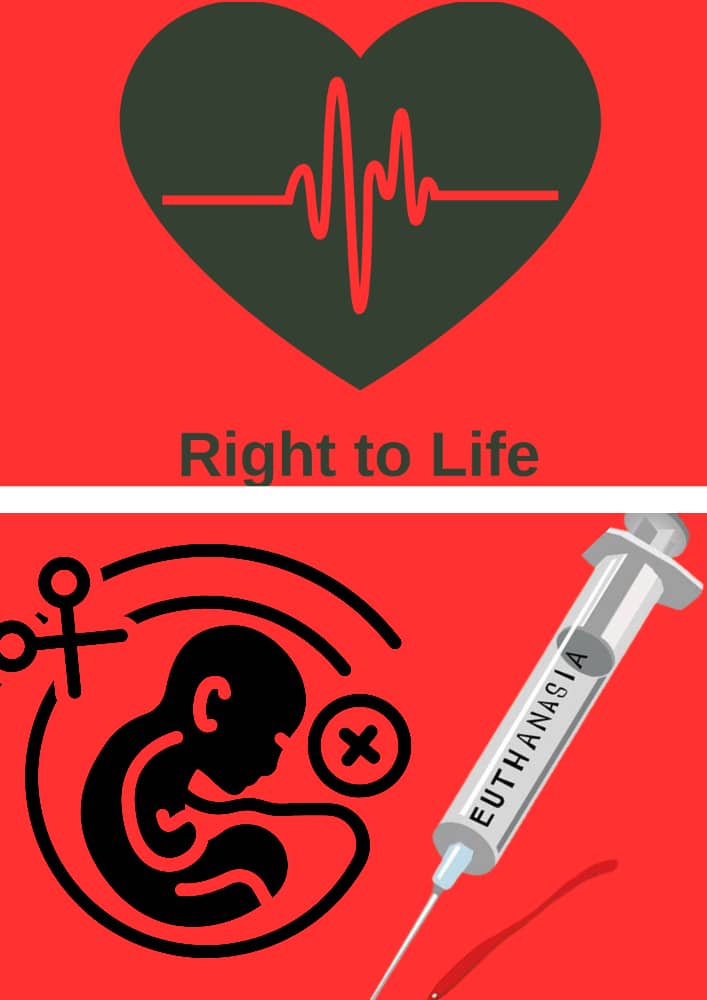
THE RIGHT TO LIFE: ABORTION AND EUTHANASIA IN NIGERIA

ideemlawful profile1iDeemlawful October 22, 2025
ideemlawful profile1iDeemlawful

By: AYINLA FRIDAOUS OPEYEMI

INTRODUCTION – The right to life is a fundamental and universal human right that is deeply rooted in the Nigerian Law. It is one of the most fundamental human rights, recognized both in Nigeria’s Constitution and in international human rights law. It is the right without which other rights cannot be exercised. However, the application of this right becomes complex when issues like abortion and euthanasia is involved. In Nigeria, abortion remains largely criminalized except to save the life of the mother, while euthanasia is strictly prohibited. There are discussions and debates which highlights the tension between protecting life on one hand and respecting individual autonomy and human dignity on the other. Abortion debates center on whether the fetus’s right to life outweighs a woman’s right to make decisions about her body, while euthanasia raises questions about whether individuals should have the choice to end unbearable suffering.

RIGHT TO LIFE: A FUNDAMENTAL HUMAN RIGHT

The right to life is a fundamental and universal right enjoyed by all citizens of Nigeria. The right to life guarantees that every person shall live freely without fear of their life being taken from them without any just cause. This right been provided for in Section 33 of the Constitution of the Federal republic of Nigeria (As Amended). S33(1) provides that Every person has a right to lie, and no one shall be deprived intentionally of his life, save in execution of the sentence of a court in respect of a criminal offence of which he has been found guilty in Nigeria. S33(2) states that a person shall not be regarded as having been deprived of his life in contravention of the section if he dies as a result of the use, to such extent and in such circumstance as are permitted by law, of such force as is reasonably necessary: for the defense of any person from unlawful violence (a) or for the defense of property;  in order to effect a lawful arrest or to prevent the (b) escape of a person lawfully detained; or  for the purpose of suppressing a riot, insurrection or (c) mutiny.

A person is a being who has certain capacities or attributes such as reason, morality, consciousness or self-consciousness, and being a part of a culturally established form of social relations such as kinship, ownership of property, or legal responsibility.

A person in law is someone who is a living person. Someone who is capable of being killed.

The Right to Life is a very important and essential human right as it put the minds of citizens at ease and serves as foundational principle for all other rights. The right to life is considered the most important among the human rights because it enclose the preservation and protection of life.

Article 4 of the African Charter on Human and People’s rights provides that Human rights are inviolable. Every human being shall be entitled to respect for his life and the integrity of his person. Article 2 of the UDHR also provides that everyone has the right to life, liberty and security of persons.

Article 6 of the ICCPR provides that everyone has an inherent right to life. The right shall be protected by law and no one shall, without cause, be deprived of his life.

It was held in the case of AMOSHIMAN v STATE (2011) 14 NWLR (Pt. 1268) 530 that The right to life as provided under the Nigerian Constitution is however qualified and not absolute. Although section 33(1) of the 1999 Constitution guarantees the right to life of everyone, it equally legally permits the deprivation of life in execution of the sentence of a court of law in respect of a criminal offence, such as armed robbery, for which the person has been found guilty.

ABORTION: PERSPECTIVE AND DEBATES

Abortion is the termination of a pregnancy by the removal or expulsion of an embryo or fetus. It is when a pregnancy is ended or terminated such that it doesn’t lead to childbirth. Women’s ability to access safe and legal abortions is restricted in law or in practice in most countries in the world. Even in countries where abortion is safe and Legal, there are limited access to effective and safe abortion services due to lack of regulations and poor health services.

In a country like Nigeria, for instance, abortion is an offence. This is provided for in Section 328 of the Criminal Code which provides that Any person who, when a woman is about to be delivered of a child, prevents the child from being born alive by any act or omission of such a nature that, if the child had been born alive then died, she would be deemed to have unlawfully killed the child, is guilty of a felony and is liable to imprisonment for life. S228 of Criminal Code provides that Any person who, with intent to procure the miscarriage of a woman whether or not she is with child, unlawfully administers to her or causes her to take any poison or other noxious thing, or uses any force of any kind, or uses any other means whatsoever, is guilty of a felony, and is liable to imprisonment for fourteen years. Section 229 states that any woman obtaining a miscarriage is guilty of a felony and may be sentenced to imprisonment for up to 7 years. Section 230 states that anyone supplying anything intended for a woman’s miscarriage is also guilty of a felony and may be sentenced to up to 3 years of imprisonment. Sections 232 and 233 of the Penal code is also similar to the sections of the Criminal Code Likewise Section 1 Infant Life(Preservation) Act 1929 which provides that any person who, with the intent to destroy the life of a child capable of being born alive, causes the child to die before it has an existence independent of its mother, is guilty of a felony punishable by penal servitude for life.

It has been held in the case of ATTAH V STATE (1993) 4 NWLR (Pt. 288) 403 that it is common knowledge that procurement of abortion is a dangerous and hazardous operation. 

The only legal way to have an abortion in Nigeria is if it was done in good faith for the purpose of preserving the life of the mother or if the birth of the child is going to put the mother’s life in danger. S232 of the Penal Code and Section 1 Infant Life(Preservation) Act 1929 has given this exception concerning the act of causing the miscarriage of a person.

While differing in their specifics, the Islamic, Christianity and traditional Nigerian perspectives on abortion share a common thread on abortion which is straying from the sanctity of life.

Traditional Nigerian cultures often view the bearing of children as a sacred responsibility, essential for the honor of the family and community. The traditional culture view abortion as a taboo and an act that is morally wrong and diminishing to the value of human life.

While some Islamic scholars prioritizes preserving the human life and thus prohibits abortion, others state that abortion can be allowed in a situation like Rape or where continuing pregnancy would pose a risk to the life of the mother.

Most Christians believe in the sanctity of the human life which is rooted in the biblical doctrine of the Image of God. This doctrine is grounded un the fact that all human life is sacred and deserves protection and care.

EUTHANASIA: PERSPECTIVES AND DEBATES.

Euthanasia is the painless and hastening killing of a person or animal suffering from an incurable and painful disease or in an irreversible coma to prevent them from further suffering. It is the practice of intentionally ending life to eliminate pain and suffering. The practice of Euthanasia can be voluntary where the consent of the person is taken, non-voluntary where it is impossible to get consent or involuntary where consent is not taken. 

Some countries legalize Euthanasia. For instance, in Netherland, the law permits euthanasia if the patient is experiencing unbearable suffering with no prospect of recovery, and the patient’s request is voluntary and well-considered.

Belgium also legalizes euthanasia under similar conditions as Netherland and permits it for minors too provided that their consent is gotten.

Switzerland doesn’t have specific laws regarding or guiding euthanasia but also allows assisted suicide.

However, in certain countries like Nigeria and the United States, Euthanasia is illegal.

Under the penal and Criminal Code, any act that leads to the death of a person is regarded as Murder or manslaughter. Though not expressly recognized or stated as euthanasia, going by the definition, Euthanasia illegality is seen in S311, S326 and S327 of the Criminal Code.

S.311 provides that a person who does any act or makes any omission which hastens the death of another person who, when the act is done or the omission is made, is laboring under some disorder or disease arising from another cause, is deemed to have killed that other person.

S.326 provides that Any person who procures another to kill himself, or counsels another to kill himself and thereby induces him to do so or aids another in killing himself is guilty of a felony, and is liable, to imprisonment for life.

S.327 provides that any person who attempts to kill himself is guilty of a misdemeanor, and is liable to imprisonment for one year.

S.299 provides that consent by a person to the causing of his own death does not affect the criminal responsibility of any person by whom such death is caused.

The term euthanasia is not used in the penal laws in Nigeria, but an inference to that effect is provided for. The killing of a human being by another is a crime under homicide, amounting to murder or manslaughter

In the case of STATE v OKEZIE, the case of a native doctor who made charms for the deceased. The deceased asked the native doctor to test run the charm and fire him a shot which he did and it led to the death of the deceased. He was convicted of Murder for aiding the killing of another.

The bible can also be used as a reference when it says “Thou shalt not kill” (Ex 20:13). that human life is not at the disposal of anyone, for it is not the exclusive property of anyone, but the gift of God.

Also, In Adegoke v. State (2006) 15 NWLR (Pt. 1001) 394., the Nigerian court convicted an individual for the unlawful killing of a person who was in a state of suffering, which touched on the broader concept of the state’s role in preventing unnecessary death. The lawyers argued whether the protection of life under Nigerian law, and whether causing death, even in the case of a terminally ill person, could be justified under any circumstances. The court reaffirmed the sanctity of life in Nigerian law, emphasizing that life should not be ended except in accordance with the law.

However, in the case of Okonkwo v. Nwoye (2011) 15 NWLR (Pt. 1123) 324 which involved a dispute over the treatment of a terminally ill patient. The question of whether family members or healthcare providers had the right to make decisions about end-of-life care was central. The supreme court held that life cannot be intentionally ended without the clear and express consent of the patient or in accordance with the law. This is indirectly inferring that if the patient’s consent had been sought, their life can be taken i.e. passive euthanasia.

Some people argue that Euthanasia is a matter of individual autonomy, what the individual wants and doing them a favor by giving them a painless death to alleviate the suffering they are faced with. They believe that it is the right of individuals to make decisions regarding their own bodies. They also opined that a person should be able to die with dignity and in control of their situation. Prolonged terminal illness can be emotionally and financially devastating for families. In some cases, euthanasia may relieve loved ones of prolonged trauma and allow more peaceful closure. For some patients, pain, loss of function, or existential suffering cannot be controlled by medical and palliative care.

While some argued that the sanctity of the human life would be rendered useless if Euthanasia becomes legalized in the country. They argued that legalizing euthanasia could This could normalize ending lives too easily. The healthcare systems might invest less in improving palliative care if euthanasia is normalized. These people also argued that religiously, euthanasia can be seen as “playing God” or interfering with the natural cycle of life and death.  It is the duty of doctors to prolong and save the lives of patients. Euthanasia could clear this role, making the patients fear that their doctors could choose to end their lives rather than search for treatment options. Patients might also feel pressured to pick euthanasia to avoid being a financial or emotional burden on their families. Legalizing euthanasia could also call for abuse or medical error. For instance, if a doctor makes a mistake in diagnosing or assessing a patient’s condition, it could result in the premature death of a patient. In such cases, an unethical doctor might even cover up the error by falsely claiming that the patient had consented to euthanasia.

CONCLUSION

The debate surrounding the right to life, abortion and euthanasia in Nigeria has different complexities. Some people argue that Euthanasia and abortion is a matter of individual autonomy, what the individual wants. autonomy is women having control over their reproductive choices. Denying a woman that choice can be seen as treating her body as a vessel for reproduction rather than respecting her as a full moral agent. If society forces a woman to carry a pregnancy against her will, it raises questions about fairness and equality as men do not face such compulsory bodily demands.

While the Critics to this argued that the right to life Is a fundamental right which guarantees the dignity, privacy and freedom of individuals and should not be taken for granted or as a person wills. They belief that abortion and euthanasia violates that right by deliberately ending innocent human life which is contrary to the belief that the right to life is absolute and fundamental.

If there’s made available essential and effective palliative care, improved access to healthcare and support, Nigeria can promote the dignity of persons and the culture of Life. Essentially, the right to life remains a fundamental and universal principle and its application requires careful consideration, compassion and empathy.

October 22, 2025 0 comments
0 FacebookTwitterPinterestEmail
Newer Posts
Next Posts
  • Facebook
  • Twitter

All Right Reserved. Developed by Deemlawful


Back To Top
iDeemlawful
  • Home