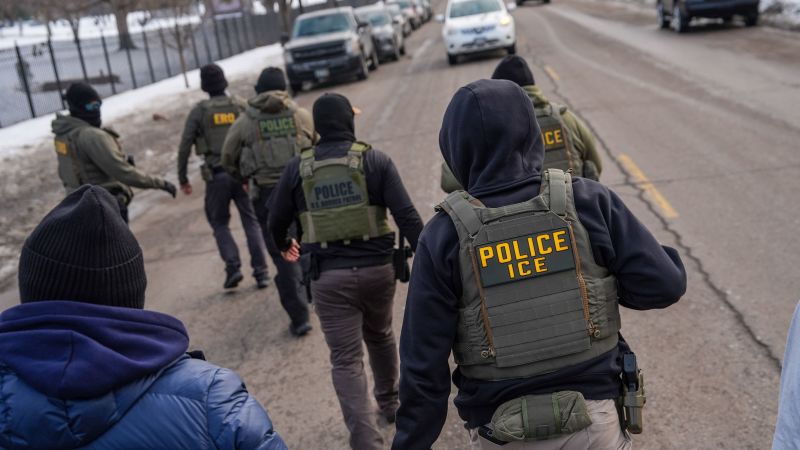
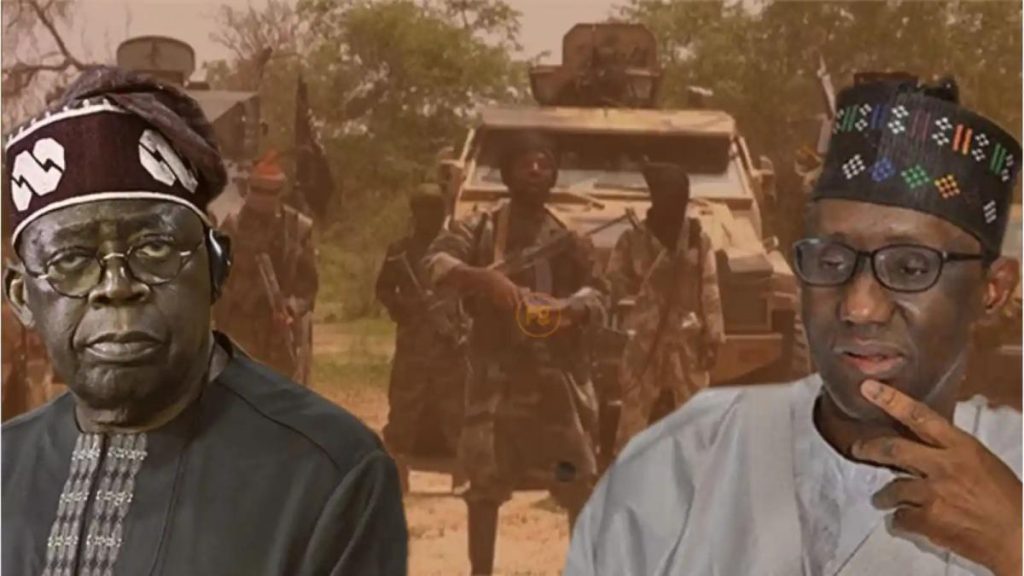
military on patrol

Africa’s 10 Military Coups Since 2020 and Their Impact

ideemlawful profile1iDeemlawful

Africa has recorded at least 10 military takeovers in the past five years, disrupting democratic processes across the continent. The latest occurred in Guinea-Bissau, where a military junta seized power and halted elections just hours before the electoral commission was expected to announce presidential results.

The development has triggered widespread condemnation, with regional blocs and foreign governments demanding a swift return to democratic rule.

ECOWAS has already suspended Guinea-Bissau from all decision-making bodies, while observer missions from the African Union and ECOWAS described the coup as an effort to derail the country’s fragile path to stability.

With this latest incident, Africa has now witnessed 10 coups since 2020, including two in Burkina Faso in 2022.

Here is a timeline of coups on the continent since 2020.

  1. Mali

In August 2020, five military colonels removed President Ibrahim Boubacar Keita from office. In May 2021, the same military faction toppled the interim civilian government.

Colonel Assimi Goita, who led both takeovers, became transitional leader. Elections set for February 2024 were postponed indefinitely due to persistent jihadist attacks.

By July 2025, Goita enacted a law granting himself a five-year renewable presidential term. Since September, jihadist groups have imposed a fuel blockade that has weakened the junta.

  1. Chad

Following the battlefield death of President Idriss Deby in April 2021, the military bypassed constitutional succession, dissolved parliament, and installed his son, Mahamat Kaka Deby, as interim leader.

He secured his position through a disputed presidential election in 2024.

  1. Guinea

On September 5, 2021, a group of soldiers led by Lieutenant-Colonel Mamady Doumbouya ousted President Alpha Condé.

Doumbouya later announced his intention to contest the December 28, 2025 election meant to restore civilian rule.

  1. Sudan

On October 25, 2021, after prolonged disagreements between civilian and military leaders, army chief Abdel Fattah al-Burhan staged a takeover.

Since April 2023, fighting between Burhan’s forces and the Rapid Support Forces has killed tens of thousands, creating a major humanitarian disaster.

  1. Burkina Faso

The country saw two coups in 2022. In January, soldiers led by Lieutenant-Colonel Paul-Henri Sandaogo Damiba ousted President Roch Marc Christian Kaboré.

By September, Damiba himself was removed, and Captain Ibrahim Traoré became transitional leader. Elections never took place, and in May 2024, the junta extended Traoré’s rule for another five years amid escalating Islamist violence.

  1. Niger

On July 26, 2023, the presidential guard deposed President Mohamed Bazoum. General Abdourahamane Tiani, its commander, assumed power.

In March 2025, the junta extended the transition by at least five years as the country continued to face militant attacks.

  1. Gabon

After 55 years of Bongo family rule, the military toppled President Ali Bongo Ondimba on August 30, 2023, shortly after he was declared the election winner amid allegations of fraud.

General Brice Oligui Nguema became transitional leader and was formally elected in April 2025 with 94.85% support following a new constitution adopted by referendum.

  1. Madagascar

In October 2025, the military removed President Andry Rajoelina after weeks of anti-government protests driven largely by “Gen Z” activists. Colonel Michael Randrianirina was sworn in and promised elections within 18–24 months.

  1. Guinea-Bissau

Guinea-Bissau, long prone to instability, witnessed another coup on Wednesday, November 26, when military officers announced on national television that they had deposed President Umaro Sissoco Embalo, suspended elections, and taken over state institutions.

The African Union and ECOWAS condemned the takeover, but the junta has remained in control, plunging the country back into uncertainty.

The surge of coups across Africa underscores the fragile political landscape in several regions. Nations across West Africa, the Sahel, and parts of the Indian Ocean have grappled with insecurity, disputed elections, weak institutions, and public frustration. Though each nation’s crisis differs, the outcomes are similar—delayed transitions, unrest, and citizens left uncertain about their future.

These developments raise difficult questions about democratic resilience, governance, and regional stability. While AU and ECOWAS continue calling for a return to constitutional rule, the real challenge is whether affected nations can rebuild trust, strengthen institutions, and restore civilian leadership.

For now, Africa’s political trajectory remains uncertain, but understanding how these coups evolved provides crucial context for the challenges ahead.

Leave a Comment

You may also like

0
Love
0
Comment
Share
Join

Explore

This website uses cookies to improve your experience. We'll assume you're ok with this, but you can opt-out if you wish. Accept or Dismiss Our Privacy Policy